
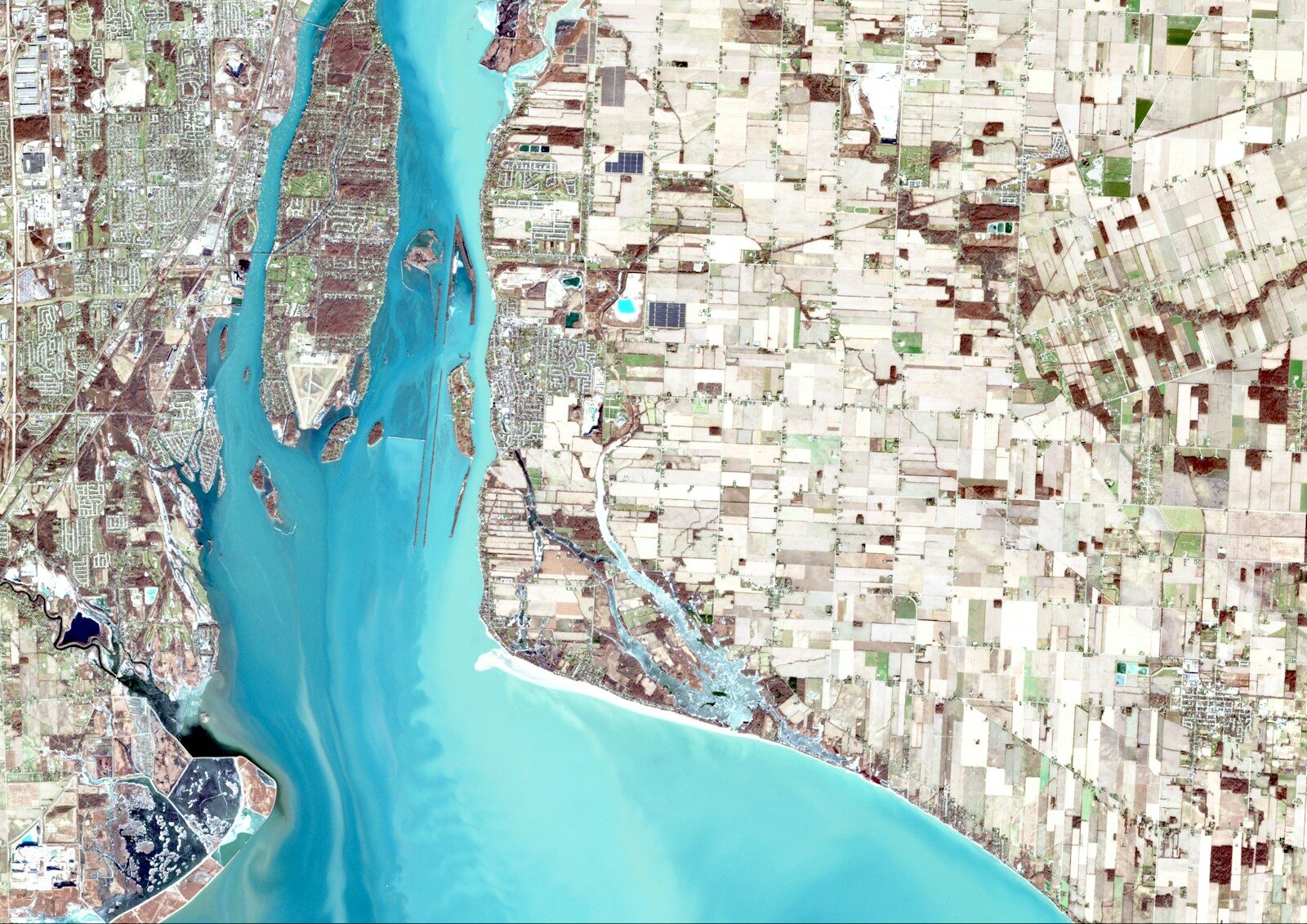
Key Takeaways
Spatial data is the lifeblood of smart cities, empowering urban planners, transport authorities, environmental analysts, and public safety teams to make faster, smarter decisions. From traffic flow to zoning, it’s all connected through geographic information systems (GIS) that visualize and interpret our world.
As cities get smarter, the role of spatial data is becoming impossible to ignore. Every time you check a map app for traffic updates, or a delivery drone navigates through a dense neighborhood, spatial data is behind it. And it’s not just about maps—it’s about understanding how every corner of a city functions, changes, and interacts in real time.
Smart cities rely on this layer of intelligence to drive everything from efficient traffic systems to environmental monitoring and emergency response. What was once a niche tool for geographers has become a critical asset in the daily operation and future planning of urban areas.
What Is Spatial Data and Why Does It Matter?
Spatial data (also known as geospatial data) is information tied to a specific location. That might be GPS coordinates, a street address, or a boundary line on a zoning map. The key is that it’s location-based—and that makes it incredibly powerful.
By layering different types of spatial data—transport networks, weather patterns, infrastructure layouts—planners and decision-makers get a dynamic, interactive view of how a city functions. This is what makes smart cities “smart.” It’s not just about having sensors or high-speed internet; it’s about knowing how and where to act at the right moment.
How GIS Turns Data into Action
Geographic Information Systems (GIS) are the tools that turn raw spatial data into actionable insight. With GIS, cities can visualize traffic congestion patterns, track air quality fluctuations by neighborhood, or plan emergency evacuation routes in seconds.
Take urban planning, for instance. Without GIS, zoning updates, infrastructure development, and community impact assessments would be slow and error-prone. But with layered spatial data, city planners can model potential outcomes before a single brick is laid.
That’s why local governments and private developers are turning to specialized providers like Gis services in Orlando, Florida to bring these solutions to life. Whether it’s for updating municipal records, improving public transport routes, or responding to climate risks, accurate and timely spatial data is the foundation.
5 Ways Spatial Data Powers Smart Cities
Let’s dig into how this data works behind the scenes to transform city living:
1. Traffic and Transportation Optimization
Real-time spatial data enables dynamic traffic light coordination, GPS route optimization, and predictive congestion modeling. Instead of relying on fixed schedules, smart traffic systems can adapt to actual usage patterns, reducing delays and emissions. Public transportation can also benefit through data-driven route planning and passenger flow management.
2. Emergency Response and Public Safety
During a crisis—flood, fire, or accident—first responders need accurate location information fast. GIS layers show blocked roads, hazardous zones, and critical infrastructure at risk. That information helps emergency services prioritize and coordinate with precision. Predictive analytics can even highlight high-risk zones before disaster strikes.
3. Urban Planning and Zoning
Cities are constantly growing and changing. GIS allows planners to simulate new developments, study population trends, and assess environmental impact with a level of detail that wasn’t possible before. It also helps ensure transparency and public engagement by making data visual and accessible.
4. Environmental Monitoring and Sustainability
Smart cities aim to be green cities. GIS tools help track pollution sources, heat islands, water quality, and deforestation. With spatial analysis, policymakers can implement targeted green initiatives—planting trees in overheated zones or deploying air monitors in at-risk neighborhoods.
5. Smart Utilities and Infrastructure Management
From underground pipelines to overhead power lines, spatial data helps manage infrastructure in 3D space. Utility providers can prevent outages, manage maintenance schedules, and respond to customer needs faster by visualizing the full scope of their assets.
Real-World Examples of Spatial Data at Work
Singapore has been at the forefront of using spatial data. Its Virtual Singapore initiative creates a digital twin of the entire city-state, simulating everything from traffic patterns to energy usage.
Barcelona uses spatial analytics to track noise pollution and improve waste management routes.
New York City has adopted GIS in managing its emergency preparedness programs, enabling quicker, more informed decisions during major weather events like hurricanes or blizzards.
These are not isolated examples. From mid-size towns to global megacities, the trend is clear: spatial data is now central to how cities function and evolve.
The Growing Role of Private Sector GIS Services
Municipalities can’t do it all alone. There’s a growing need for partnerships with GIS service providers who can help collect, manage, and analyze geospatial data. These firms bring technical expertise, software tools, and implementation support that allow cities to scale their smart initiatives.
Whether it’s digitizing legacy maps, integrating IoT sensor feeds, or deploying custom dashboards for city departments, outsourcing GIS work ensures the right data reaches the right hands—on time.
Local expertise matters too. A firm familiar with regional challenges and regulatory standards can tailor solutions more effectively. That’s why demand for hyper-local GIS services is rising, especially in growing regions like Florida, Texas, and the Midwest.
Why Spatial Data Is No Longer Optional
Smart cities aren’t a far-off vision—they’re here, and they’re expanding. And none of it works without spatial intelligence.
Think about the amount of data a city produces: traffic sensors, utility meters, mobile phone GPS, weather stations, security cameras. All of it has a location component. Ignoring that is like trying to read a book with your eyes closed.
To make sense of it all, to connect the dots, to act—you need spatial context. That’s what makes data usable, not just collectable.
What to Watch for in the Future
The future of spatial data in cities is about deeper integration and automation. Some trends on the horizon include:
- AI-powered GIS: Automating map updates, anomaly detection, and route planning
- Augmented reality city maps: For tourists, city workers, and even emergency responders
- Drone-based data collection: Replacing manual surveying and expanding remote access
- Crowdsourced geospatial data: Real-time updates from citizen apps and devices
- Climate modeling with spatial overlays: To anticipate and adapt to changing weather extremes
As cities face growing pressures—population growth, climate change, infrastructure strain—the ability to see the big picture and act locally is a game-changer.
Final Thoughts
Spatial data has moved from back-office map rooms to the control centers of city governance. It’s embedded in traffic lights, bus routes, zoning meetings, and environmental decisions. It helps cities stay agile, efficient, and livable.
The question isn’t whether your city will use spatial data—but how intelligently it will use it.
And if you’re part of a city planning team, utility company, or infrastructure developer, partnering with a trusted GIS provider isn’t just a nice-to-have—it’s your edge.
FAQ
What is the difference between GIS and spatial data?
Spatial data refers to the actual geographic information (like coordinates or shapes), while GIS (Geographic Information Systems) are the tools and systems used to manage, visualize, and analyze that data.
Can small cities benefit from spatial data, too?
Absolutely. Even smaller municipalities can use GIS to improve traffic planning, zoning, emergency response, and more. The technology scales based on need and budget.
How is spatial data collected?
Through a variety of sources—GPS, drones, satellites, sensors, field surveys, and even mobile apps. The data is then cleaned, stored, and analyzed in GIS platforms.
Is spatial data secure?
Yes, when managed properly. Reputable GIS providers use encrypted data transfers, secure cloud platforms, and access controls to protect sensitive location-based information.
How does spatial data support sustainability?
It helps cities monitor pollution, track tree coverage, plan bike lanes, and analyze energy use. These insights support smarter environmental policies and more targeted action.
