
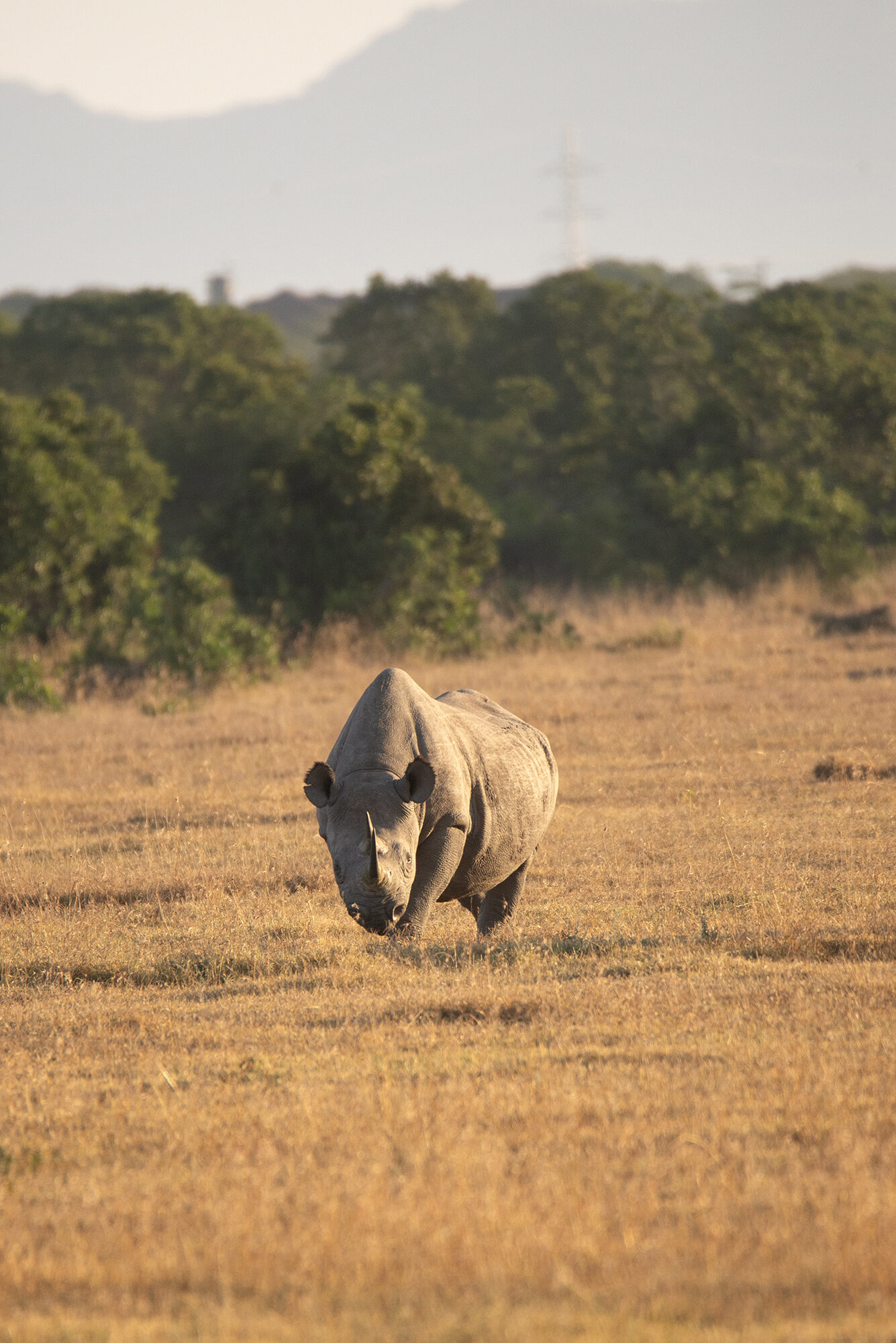
Helping Rhinos conservation efforts are delivering measurable results across Africa, offering renewed hope for one of the world’s most endangered species. Recent data shows that South Africa lost 352 rhinos to poaching in 2025, down from 420 the previous year—a 16% decrease and the second consecutive annual decline.
While the numbers remain concerning, this downward trend signals that strategic, coordinated conservation efforts are making a real difference.
Understanding the Global Rhino Crisis
Rhinos are facing a critical survival challenge. Fewer than 26,000 rhinos remain in the wild worldwide, spread across five species—two in Africa and three in Asia.
The threats to their survival are complex and interconnected:
- Poaching driven by illegal wildlife trade
- Habitat loss due to human expansion
- Limited community engagement and economic alternatives
Addressing these challenges requires more than isolated interventions. It demands a holistic, long-term strategy—one that Helping Rhinos has built its mission around.
The Rhino Strongholds Model: A Holistic Conservation Strategy
At the core of Helping Rhinos’ approach is its Rhino Strongholds model. These are protected wild spaces designed not only to safeguard rhinos but also to support surrounding ecosystems and local communities.
Unlike traditional conservation efforts, Rhino Strongholds function as integrated systems that combine:
- Wildlife protection
- Habitat preservation
- Community development
This model focuses on three key pillars:
1. Protecting Wildlife
Helping Rhinos invests heavily in anti-poaching operations, including:
- Aerial surveillance through “Eyes in the Sky” patrols
- Deployment of advanced rhino tracking technology
- On-the-ground ranger support and rapid response systems
These measures help detect and prevent poaching activity before it occurs.
2. Preserving Habitat
Expanding and restoring natural habitats ensures that rhinos have safe environments to live and reproduce. Conservation efforts include:
- Land restoration initiatives
- Protection of biodiversity corridors
- Long-term ecosystem management
3. Supporting Local Communities
Sustainable conservation depends on community involvement. Helping Rhinos prioritizes:
- Education programs
- Conservation-based employment opportunities
- Economic incentives that reduce reliance on poaching
This approach creates a shared interest in protecting wildlife rather than exploiting it.
Regional Success Stories in South Africa
The impact of this three-pillar strategy is evident in regional conservation outcomes across South Africa.
Eastern Cape: A Model for Low Poaching Rates
The Eastern Cape, home to one of Helping Rhinos’ key strongholds, maintained low poaching levels through 2025. Advanced tracking devices and aerial patrols played a significant role in protecting a globally important rhino population.
This region demonstrates how consistent investment in technology and security can produce sustainable results.
KwaZulu-Natal: Targeted Intervention Works
KwaZulu-Natal saw a dramatic improvement due to focused conservation strategies. A dehorning program combined with enhanced monitoring and integrity testing reduced rhino deaths from 232 to 97 in just one year.
This highlights the effectiveness of targeted, data-driven interventions.
Kruger National Park: Ongoing Challenges
Despite progress elsewhere, challenges remain. Kruger National Park accounted for nearly half of all rhino poaching deaths in South Africa, with 175 rhinos lost in 2025.
This underscores the need for continued innovation and resource allocation in high-risk areas.
Private vs. State Land Conservation Outcomes
Data from 2025 reveals a notable contrast:
- Private reserves: 25% of poaching incidents
- State and national parks: 75% of poaching incidents
Private landowners often have more flexibility and resources to implement advanced security measures, while public parks face broader logistical and enforcement challenges.
This disparity highlights an opportunity to scale successful private-sector strategies across public conservation areas.
The Role of Technology in Rhino Conservation
Technology is playing an increasingly important role in protecting rhinos. Helping Rhinos integrates advanced tools to enhance monitoring and response capabilities:
- GPS tracking devices for real-time location data
- Drone and aerial surveillance systems
- Early-warning detection systems
These innovations allow conservation teams to act quickly and prevent poaching attempts before they escalate.
Community Engagement: The Key to Long-Term Success
One of the most important aspects of Helping Rhinos’ approach is its focus on local communities. Conservation cannot succeed without the support of the people who live alongside wildlife.
By providing:
- Job opportunities in conservation
- Education and training programs
- Sustainable income alternatives
Helping Rhinos creates a system where protecting rhinos becomes economically beneficial for local populations.
This shift from conflict to cooperation is essential for long-term success.
Real Impact: Thandi’s Story
The success of conservation efforts is best illustrated through real-life examples.
Thandi, a rhino that survived a brutal poaching attack in 2012, has since become a symbol of resilience. Despite severe injuries, she has given birth to six calves, with her lineage now totaling nine rhinos across generations.
Her story demonstrates how saving a single rhino can have a lasting, multiplying impact on population recovery.
Expanding Conservation Through Strategic Partnerships
Helping Rhinos continues to grow its impact through partnerships and collaborations. A notable example is its formal partnership with Tsavo Trust in 2025, which expands conservation efforts into new regions.
Additionally, training programs in the Eastern Cape are developing the next generation of conservation professionals, ensuring that efforts remain sustainable over time.
Why the Decline in Poaching Matters
The 16% reduction in rhino poaching is a significant milestone. It reflects the cumulative effect of:
- Anti-poaching patrols
- Technology integration
- Community engagement
- Habitat protection
However, the situation remains fragile. Losing 352 rhinos in a single year still represents a major threat to a species with fewer than 26,000 individuals globally.
Progress must be sustained and scaled to ensure long-term survival.
The Importance of Continued Support
Helping Rhinos operates as a global charity, supported by:
- Individual donors
- Corporate partnerships
- Monthly contributors known as “Rhino Guardians”
These funding sources are essential for maintaining:
- Security operations
- Community programs
- Habitat restoration projects
Unlike short-term initiatives, conservation requires consistent investment over time.
The Future of Rhino Conservation
Helping Rhinos’ strategy is built on the belief that conservation must address both environmental and human factors. By creating ecosystems where wildlife and communities thrive together, the organization is laying the foundation for long-term recovery.
The success of Rhino Strongholds suggests a scalable model that could be applied across Africa and beyond.
A Path Forward
The recent decline in poaching rates offers cautious optimism. It proves that coordinated conservation strategies can make a measurable difference.
However, the fight is far from over.
Rhino conservation requires:
- Ongoing funding
- Technological innovation
- Community engagement
- Global awareness
As demonstrated by Thandi’s legacy, every rhino saved contributes to a future where populations can recover and thrive.
Helping Rhinos continues to lead the way, showing that with the right approach, it is possible to turn the tide against extinction—one stronghold, one community, and one rhino at a time.
