

A real storefront next to its near-identical fake copy under a magnifying glass
The ad shows wireless earbuds at a fraction of the retail price, and the shop looks exactly like one you have bought from before. Same layout, same product photos, same buy button. The address is one letter off, and that letter is the entire business model.
A fake online store check works best in reverse: instead of judging how a shop looks, verify who runs it, how old its domain is, how it takes money and how its reviews behave over time.
Fakes stopped looking fake
Modern fake stores copy the design, product photos and domain of brands shoppers already trust, so appearance alone no longer separates real from fake. A lookalike store is a fake shop built to impersonate a real brand or retailer, down to a near-identical web address.
The bait is usually branded hardware. Accessories for popular devices appear at prices no authorized retailer could sustain, framed by countdown timers. The images are lifted from the real manufacturer, the policy pages are pasted from a legitimate shop, and the checkout works perfectly. The only thing missing is the part where your order ships.
Cloning a storefront takes an afternoon; faking a history does not.
Seven signals that give a lookalike away
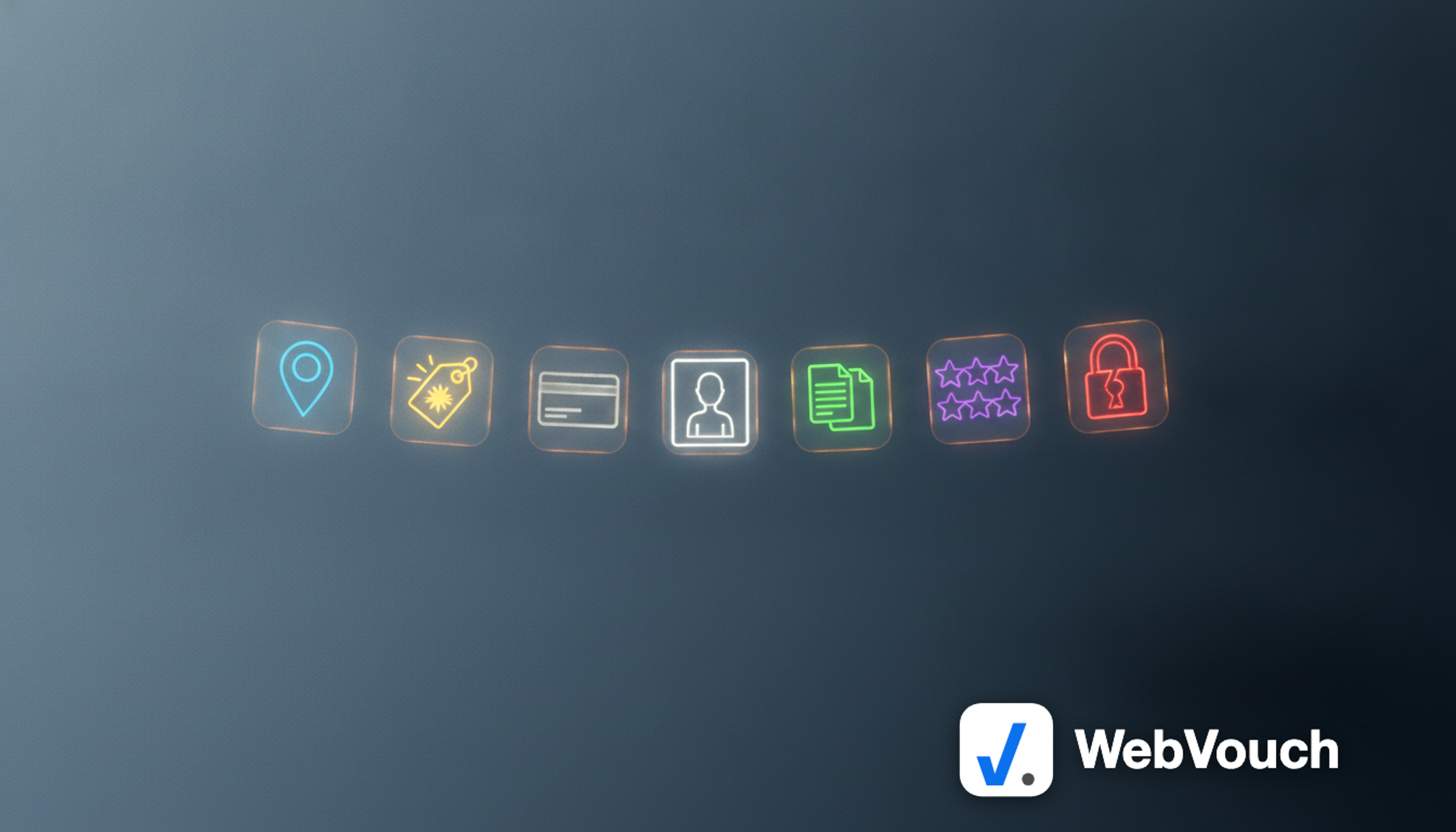
Seven warning-sign pictograms that expose a lookalike store
Seven signals expose most lookalike stores. None requires special software:
- The domain: a misspelled brand name, an extra word, or an odd ending where you expected a familiar address. 2. The price: branded goods far below every other retailer, usually paired with a timer. 3. The payment options: wire transfers, crypto or gift cards offer little recourse; cards and PayPal give you a dispute path. 4. The company details: no physical address, no registration data, only a contact form. 5. The policy pages: returns and shipping text copied word for word from another shop, sometimes with the other shop’s name still in it. 6. The review pattern: a wall of five-star reviews that all appeared within days on a store that is weeks old. 7. The padlock: HTTPS encrypts the connection and proves nothing about the merchant, yet fakes display it as a trust badge.
One signal means slow down; two or more mean close the tab.
Verify the store’s identity, not its looks

Layers of a store’s identity revealed beneath its storefront surface
A store’s identity lives in its domain history, its presence across independent platforms and the payment methods it accepts. A WHOIS lookup shows when a domain was registered: a shop claiming years of service on a domain registered a few weeks ago is telling two different stories, and the domain record is the one that does not lie.
Identity checks matter even on legitimate platforms. A platform storefront can sit on real, trusted infrastructure while the merchant behind it is anyone at all, which is why guides like how to spot a fake Shopify store treat the platform’s reputation and the seller’s reputation as two separate questions.
Pay in a way you can undo: a chargeback through your card issuer is a real safety net, while money sent by wire or crypto rarely comes back.
What verified reviews add
Verified reviews add a signal a cloned storefront cannot fake: a pattern of real purchases accumulating over time. Review platforms like WebVouch verify reviews before publication and score businesses on the volume, consistency and distribution of feedback over time, not just the star average. A verified review also cannot be edited or deleted by the reviewed business, so a young shop cannot scrub its record clean.
For a buyer, the practical habit is simple: before paying an unfamiliar store, look it up where the store has no editorial control.
FAQ: quick answers on fake store checks
Does the padlock icon mean a store is safe?
No. The padlock only means the connection between you and the site is encrypted. It says nothing about who is on the other end. Scam stores use HTTPS as routinely as real ones, so treat it as a minimum requirement, never as proof of legitimacy.
How do I check when a store’s domain was registered?
Run the address through any public WHOIS lookup and read the registration date, which no shop can edit. A store that claims a long history but sits on a domain registered a few weeks ago has already answered your question, so believe the record, not the banner.
Can I trust reviews shown on the store’s own site?
Treat them as marketing until proven otherwise. A store controls its own pages, so it controls those quotes too. Cross-check the seller on independent platforms and weigh the spread of reviews over time above the average. Guides on the WebVouch blog cover how review patterns expose fake storefronts in more depth.
