
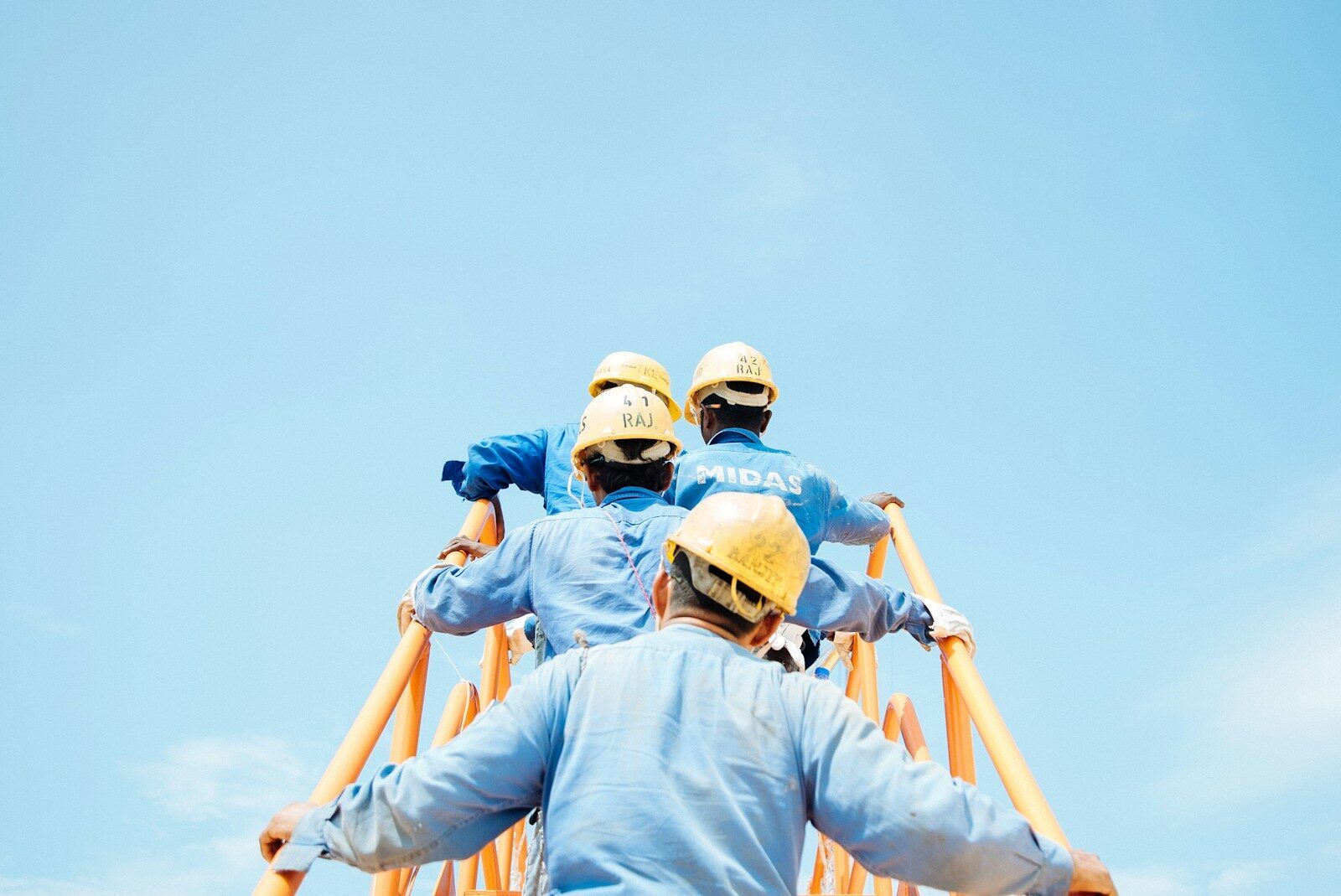
In the high-octane world of industrial operations, safety isn’t just a line item on a budget—it’s the backbone of the entire enterprise. From the sprawling towers of a petrochemical refinery to the busy aisles of a logistics warehouse, the risks are real and the margins for error are slim. This is where Intrepid Industries steps in, serving as a cornerstone for facilities that refuse to compromise on worker wellbeing. With decades of experience manufacturing OSHA-compliant safety products, they’ve mastered the art of “set it and forget it” protection. By specializing in everything from self-closing safety gates and pedestrian gates to safety hooks and custom molded polyurethane components, they help industrial sites bridge the gap between “good enough” and absolute compliance.
Why Fall Protection is the Heavyweight Champion of Safety
If you look at the statistics from regulatory bodies like OSHA, falls consistently rank as one of the leading causes of workplace injuries and fatalities. It doesn’t take a 50-foot drop to cause a life-altering accident; even a small trip off a mezzanine or an unprotected ladder way can be devastating.
Industrial environments are inherently messy. You have slick surfaces, heavy machinery, varying elevations, and high-traffic zones where humans and forklifts often share the same path. Creating a safe environment isn’t about hoping people watch their step; it’s about engineering the environment so that even if a mistake happens, a fail-safe is there to catch it.
The Anatomy of an OSHA-Compliant Facility
Regulatory compliance can sometimes feel like a moving target, but it’s actually a roadmap to efficiency. When workers feel safe, they work faster and more confidently. Here are the pillars that hold up a truly secure facility:
1. Closing the Gap with Safety Gates
The most dangerous part of any platform is the opening. Whether it’s a ladder access point or a roof hatch, leaving an open hole is an invitation for disaster. Manual chains or bars are often left open by busy workers, rendering them useless. Gravity-actuated, self-closing gates solve this by ensuring the barrier is always “closed” by default.
2. The Power of the Toeboard
Often overlooked, toeboards are the unsung heroes of elevated platforms. They aren’t just there to keep people from sliding off; they are primarily designed to prevent tools, nuts, and bolts from falling onto people below. If you’ve ever wondered how tall should a toeboard be, the standard is generally 3.5 inches in vertical height to ensure nothing rolls underneath the railing. It’s a small detail that prevents massive liabilities. For those designing custom mezzanine levels, asking how tall should a toeboard be? is the first step toward avoiding falling object hazards.
3. Organizing the Chaos: Safety Hooks
Trip hazards are the “silent” fall risks. Cables, hoses, and cords snaking across a walkway are a recipe for a twisted ankle or worse. High-quality safety hooks allow crews to get those lines off the ground and suspended safely overhead. It keeps the workspace clean and keeps the “fall on the same level” incidents to a minimum.
Material Matters: Why Polyurethane Wins
In harsh environments like refineries or coastal construction sites, traditional steel has a major enemy: corrosion. Rust eats away at the structural integrity of safety equipment, often hiding beneath a layer of paint until it’s too late.
This is why many industry leaders are pivoting toward custom molded polyurethane. Unlike metal, polyurethane is:
-
Corrosion-Proof: It won’t rust in salt air or chemical spray.
-
Non-Sparking: Critical for “Class 1, Division 1” environments where a single spark could lead to an explosion.
-
Durable: It maintains its shape and strength under extreme UV exposure and temperature swings.
When you invest in materials that don’t degrade, you aren’t just buying a gate; you’re buying a decade of peace of mind.
Refineries and Chemical Plants: The Extreme Test
Refineries are perhaps the most demanding environments for safety gear. Between the heat, the chemicals, and the sheer scale of the infrastructure, every piece of equipment is pushed to its limit. Here, compliance isn’t just about avoiding a fine; it’s about preventing catastrophic events.
In these settings, a “zero-gap” philosophy is vital. Every elevated walkway and every man-way needs a permanent barrier. Using self-closing gates that utilize gravity—rather than springs that can rust and snap—ensures that the gate remains functional even after years of exposure to harsh fumes.
Warehousing and Logistics: Managing the Flow
In a warehouse, the primary risk is often the intersection of people and machines. Forklifts move fast, and pedestrians are often focused on their clipboards or scanners. Designing a warehouse with clear “zones” is the first step.
By installing dedicated barriers, managers can force a “stop and think” moment. These gates create a physical barrier that requires an intentional action to pass through, reducing the chance of someone walking blindly into a high-traffic forklift lane.
Construction Sites: The Ever-Changing Landscape
Construction is unique because the “ground” is constantly moving. As floors are poured and scaffolding is erected, new fall hazards appear daily. The challenge here is portability and ease of installation.
Safety hooks and modular gates are perfect for these environments. They can be moved as the project progresses, ensuring that even as the building grows, the safety standards don’t lag behind. It’s about creating a “portable culture of safety” that moves with the crew.
Beyond the Hardware: Training and Culture
You can have the best self-closing gates and the sturdiest toeboards in the world, but if the team doesn’t value safety, risks will remain. A truly safe facility pairs high-end hardware with a robust training program.
Workers should be taught not just how to use the equipment, but why it exists. When a technician understands that a toeboard is there to protect their buddy on the floor below, they are much more likely to report if a section is damaged or missing.
The Financial Reality of Falling Short
Let’s talk numbers for a second. The cost of a single OSHA violation can reach tens of thousands of dollars. The cost of a worker’s compensation claim, coupled with the loss of productivity and the potential for a lawsuit, can reach into the millions.
Contrast that with the cost of installing a series of safety gates and hooks. The ROI on safety equipment is almost immediate. You aren’t just spending money; you are protecting your most valuable asset—your people—and ensuring the longevity of your business operations.
Future-Proofing Your Facility
As we look toward the future of industrial work, the standards are only going to get tighter. Automation and robotics are changing how we interact with our workspaces, but the physics of a fall remains the same. Gravity doesn’t take a day off.
Choosing a partner with a deep understanding of these standards means you’re looking for solutions that are engineered for the long haul. Whether it’s polyurethane components that survive where steel fails, or a commitment to meeting every nuance of OSHA standards, the goal is to build a facility that stands the test of time.
Putting It All Together
Improving workplace safety is a journey, not a destination. It starts with a walk-through of your facility with fresh eyes. Look for the gaps. Look for the “temporary” fixes that have become permanent.
-
Are there ladder ways protected only by a rusty chain?
-
Are there mezzanine edges where a dropped wrench could fall onto a coworker?
-
Are there hoses creating a literal obstacle course on the floor?
Addressing these issues doesn’t have to be a headache. With the right hardware and a commitment to quality, you can transform a high-risk area into a model of industrial efficiency. It’s about building a place where everyone who clocks in knows they’ll be heading home in the same condition they arrived.
