
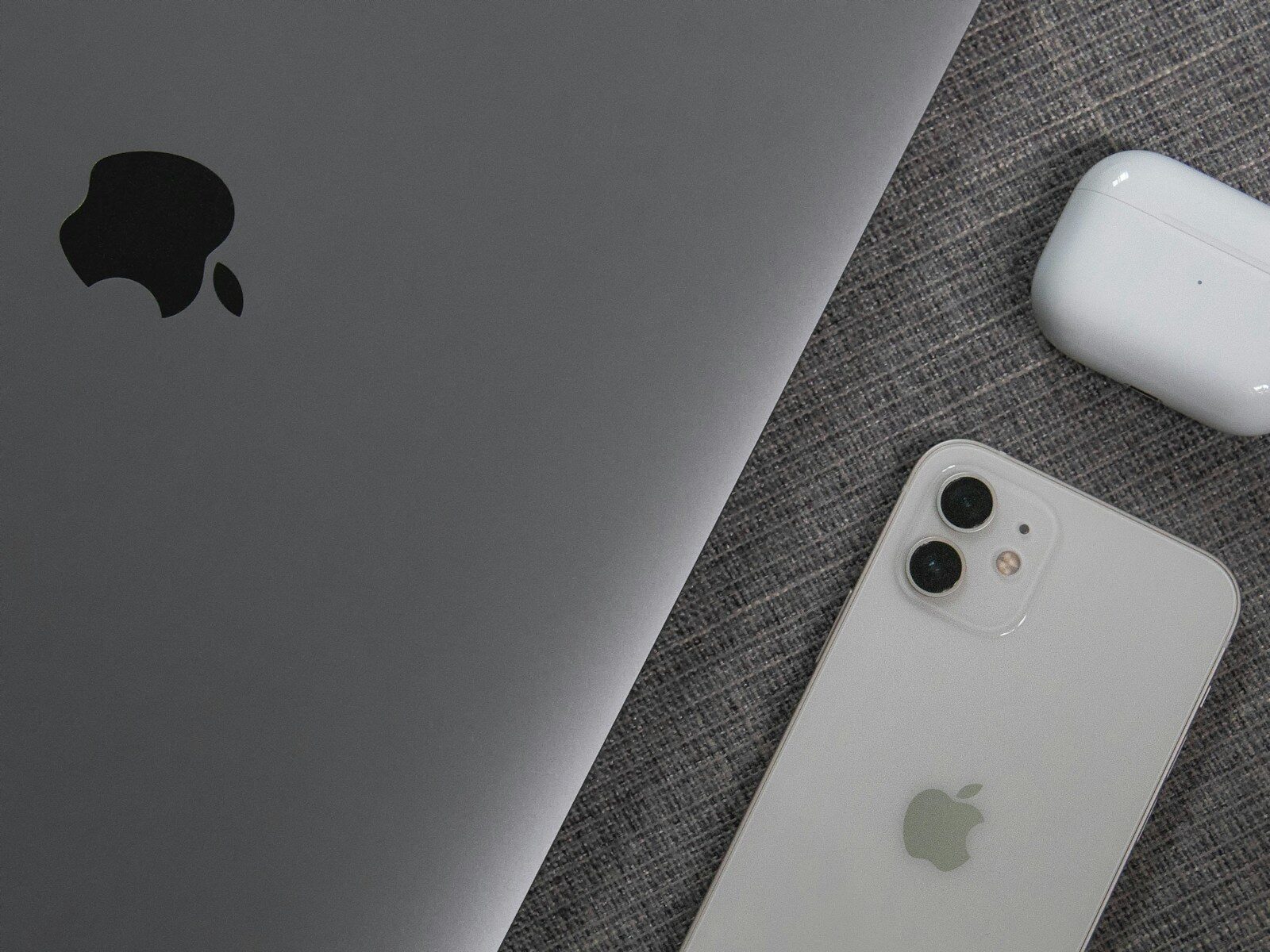
The Myth of Apple’s Self-Sufficiency
Apple devices, from MacBooks to iPhones and iPads, are often celebrated for their user-friendly design, seamless integration, and robust security features. Many users assume that these devices require minimal IT intervention, thanks to Apple’s closed ecosystem and intuitive interfaces. However, the reality for businesses deploying Apple technology is quite different. Behind the polished surface of every Mac or iPhone lies a critical need for strong IT management to ensure optimal performance, security, and scalability.
The misconception that Apple devices are “set and forget” tools can lead organizations to underestimate the complexities involved in managing these devices at scale. Enterprises using Apple products must still invest in expert IT support to handle software updates, device configuration, security policies, and network integration. This is where specialized El Paso IT management services come into play, offering tailored solutions that keep Apple hardware functioning smoothly in professional environments.
Apple’s ecosystem is designed to be user-friendly, but this simplicity for the end user masks a complex backend infrastructure that requires continuous oversight. For example, device enrollment, configuration profiles, app deployment, and security settings all need to be managed carefully to prevent issues such as unauthorized access or software incompatibilities. Without proper IT management, the risk of operational disruptions increases significantly, which can impact productivity and data security.
Why IT Management Matters for Apple Devices
Apple’s operating systems, particularly macOS and iOS, come with built-in security features such as Gatekeeper, FileVault encryption, and regular security patches. Even so, these protections alone are insufficient in a corporate setting where data breaches and cyberattacks are increasingly sophisticated. According to IBM’s Cost of a Data Breach Report 2023, the average cost of a breach is $4.45 million, highlighting the financial risks of inadequate IT security measures.
IT management teams ensure that Apple devices are configured with enterprise-grade security policies, including multi-factor authentication, mobile device management (MDM), and controlled access to sensitive information. They also manage software updates and patches to avoid vulnerabilities. Without this oversight, devices can quickly become weak points in an organization’s security posture.
Moreover, efficient IT management addresses compatibility and integration challenges. Apple devices need to interoperate seamlessly with other systems, such as Windows networks, cloud services, and specialized business applications. This requires expert configuration and ongoing monitoring, which is why businesses often reach out to iMedia Technology to manage their Apple environments effectively.
In addition to technical configurations, IT teams play a vital role in educating users about best practices when using Apple devices. Even the most advanced security features cannot compensate for human error, such as falling for phishing scams or using weak passwords. Training and clear policies developed by IT professionals reduce these risks substantially.
Enhancing Productivity Through Proactive IT Support
Beyond security, IT management enhances the productivity of employees using Apple devices. When managed properly, devices receive timely updates, software installations, and troubleshooting that prevent downtime. Studies show that downtime can cost enterprises up to $5,600 per minute, making proactive IT support a critical investment.
Managed IT services providers specializing in Apple hardware offer customized solutions such as automated device provisioning, centralized monitoring, and user training. These services ensure that employees spend less time dealing with technical issues and more time focused on their core responsibilities. This is particularly important in hybrid work environments, where users may rely on remote support to maintain their devices.
Furthermore, IT management can leverage analytics and reporting tools to identify patterns and potential issues before they escalate. For instance, monitoring battery health, storage capacity, or software usage can help preempt failures or performance bottlenecks. This proactive approach minimizes disruptions and extends the lifespan of Apple devices, ultimately reducing replacement costs and improving return on investment.
IT teams also streamline software licensing and ensure compliance with vendor agreements, avoiding legal or financial penalties from unauthorized software use. They coordinate with other departments to align technology deployments with business goals, making Apple devices not just tools but strategic assets.
The Role of IT Management in Compliance and Data Protection
Regulatory compliance is another area where Apple device management plays a crucial role. Industries such as healthcare, finance, and education must adhere to strict data protection regulations like HIPAA, GDPR, or FERPA. IT teams implement policies and tools that enforce data encryption, secure backups, and audit trails on Apple devices to meet these requirements.
Failure to comply with data protection laws can result in hefty fines and reputational damage. For example, GDPR violations can lead to penalties of up to 4% of global annual revenue. Robust IT management ensures that Apple devices are configured to support compliance, reducing legal risks for organizations.
In addition to configuring devices, IT management oversees incident response planning and disaster recovery strategies involving Apple hardware. This preparation ensures that in the event of a security breach or system failure, the organization can respond swiftly and effectively to protect sensitive data and maintain business continuity.
Data loss prevention (DLP) tools integrated with Apple devices also help monitor and control the flow of information, preventing accidental or malicious leaks. IT management ensures these tools are properly deployed and updated, maintaining a secure environment that aligns with both internal policies and external regulations.
Future-Proofing Apple Device Management
As Apple continues to innovate with new hardware and software features, the complexity of managing these devices in a business context will only grow. Emerging technologies such as Apple Silicon chips, augmented reality capabilities, and enhanced privacy controls demand updated IT strategies and expertise.
Investing in professional IT management not only addresses current needs but also prepares organizations for future technological shifts. Providers offering bring the experience and tools necessary to adapt IT infrastructure as Apple’s ecosystem evolves, helping businesses maintain a competitive edge.
For example, the transition to Apple Silicon requires rethinking software compatibility and performance optimization, tasks that IT teams must manage carefully to avoid disruptions. Similarly, new privacy features may affect data access and monitoring practices, requiring policy adjustments and technical updates.
Additionally, IT management must stay abreast of Apple’s evolving deployment tools, such as Apple Business Manager and advanced MDM capabilities. These platforms enable more efficient device lifecycle management, from enrollment to retirement, but require expertise to implement effectively.
By future-proofing device management, organizations can leverage Apple innovations to improve workflows, enhance security, and deliver better user experiences, all while controlling costs and minimizing risks.
Conclusion
While Apple devices offer remarkable ease of use and security features out of the box, their true potential in business settings is unlocked only through strong IT management. From safeguarding against cyber threats to ensuring seamless integration and compliance, IT teams play an indispensable role behind the scenes. Organizations leveraging Apple technology should recognize the value of professional IT services and support to maximize their investment and minimize operational risks.
In today’s rapidly changing digital landscape, the partnership between Apple devices and expert IT management is essential—not just a luxury but a necessity for sustained business success. By investing in specialized IT services and comprehensive IT strategies, businesses can confidently deploy Apple technology that meets their unique needs and adapts to future challenges.
