
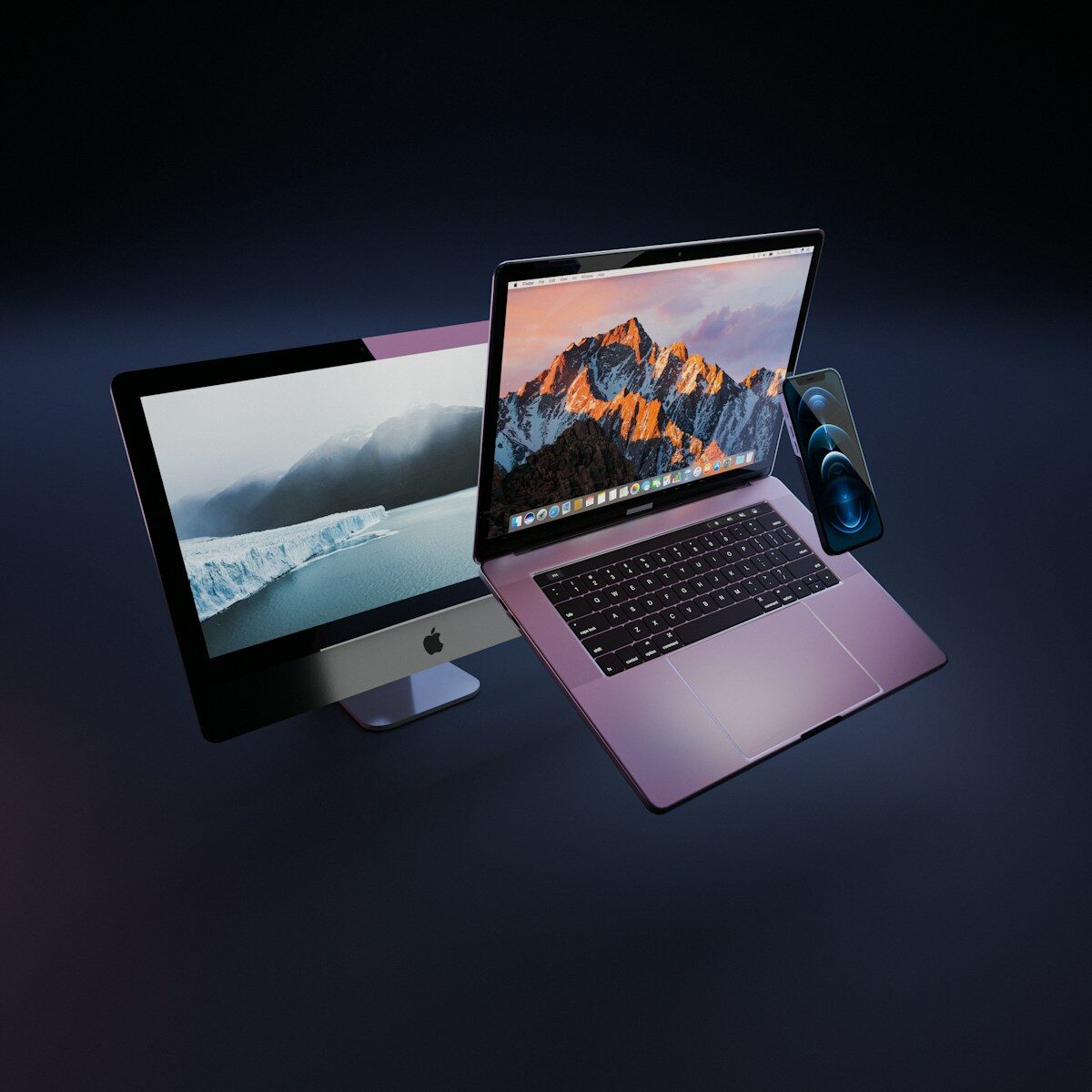
The Rise of Apple in the Corporate World
In recent years, Apple devices have transformed from primarily consumer gadgets to essential tools in the modern workplace. Their sleek design, robust security features, and seamless integration within the Apple ecosystem make them increasingly attractive to businesses aiming to enhance productivity and safeguard sensitive data. As companies adapt to remote work, hybrid environments, and digital transformation, Apple’s hardware and software offerings provide a compelling solution that meets today’s complex enterprise demands.
The trend is clear: according to a 2023 survey by Jamf, a leader in Apple device management, 70% of organizations have increased their investment in Apple devices over the past two years. This significant shift highlights growing business confidence in Apple as a platform built for enterprise needs, reflecting a broader move toward integrating consumer-grade technology into professional settings. The adoption is not limited to tech companies; sectors such as healthcare, education, finance, and government agencies are equipping their workforce with Apple products, recognizing the efficiency, security, and employee satisfaction benefits they offer.
Seamless Integration and User Experience
One standout reason Apple devices are becoming the preferred choice is the seamless integration between hardware and software. Apple’s control over both allows for an optimized user experience that competitors struggle to match. macOS, iOS, and iPadOS are designed to work harmoniously across devices, facilitating smooth workflows and minimizing compatibility issues. Employees can start a task on an iPhone and continue it effortlessly on a MacBook or iPad, fostering an efficient environment that supports multitasking and mobility.
This integration extends to accessories such as AirPods, Apple Pencil, and Apple Watch, which enhance productivity and user convenience. For IT departments, this unified ecosystem simplifies device management and troubleshooting, reducing the complexity often associated with heterogeneous device fleets.
Businesses modernizing their IT infrastructure often explore specialized vendors to maximize these benefits. For instance, companies that browse Charter Technology’s website find tailored IT support and infrastructure management that optimizes Apple device deployment, ensuring minimal downtime and enhanced user satisfaction. These providers bring expertise in managing Apple-specific tools such as Apple Business Manager and Mobile Device Management (MDM) solutions, enabling streamlined onboarding, configuration, and security enforcement. Such partnerships empower organizations to leverage Apple technology’s full potential while maintaining control over their IT environment.
Enhanced Security in an Era of Cyber Threats
Security remains a top priority for enterprises, and Apple’s approach has positioned its devices as a trusted choice. Apple’s closed ecosystem limits exposure to malware and unauthorized access compared to more open platforms. Features such as hardware-based encryption, biometric authentication (Face ID and Touch ID), and regular security updates provide multiple layers of protection against evolving cyber threats. The integration of the Secure Enclave chip ensures sensitive data like passwords and biometric information are stored securely on-device, reducing breach risks.
Apple’s commitment to privacy means user data is less likely to be exploited or shared without consent. This is especially relevant in industries handling sensitive client information, such as healthcare and finance, where compliance with regulations like HIPAA and GDPR is mandatory.
According to a report by Cisco, cyberattacks targeting enterprise endpoints increased by 30% in 2023, underscoring the importance of robust security measures. This alarming trend makes the built-in protections in Apple devices a compelling factor for businesses seeking to minimize vulnerabilities.
To complement device-level security, partnering with IT service providers offering specialized support can enhance overall cybersecurity posture. Organizations leveraging Compeint’s remote helpdesk services benefit from prompt issue resolution and proactive monitoring, ensuring devices remain secure and operational. These experts implement advanced threat detection, remote wipe capabilities, and compliance auditing tailored to Apple environments, providing peace of mind for IT leaders.
Productivity and Collaboration Tools Tailored for Business
Apple devices come preloaded with productivity and collaboration tools that cater to modern teams’ needs. From intuitive Mail and Calendar apps to FaceTime and iMessage, internal and external communication is streamlined. These tools support real-time collaboration, enabling employees to coordinate effortlessly across locations and time zones.
Integration with popular enterprise applications such as Microsoft 365 and Google Workspace ensures compatibility with existing workflows. This interoperability allows businesses to adopt Apple devices without disrupting established processes, facilitating smoother transitions and higher employee adoption rates.
Powerful applications like Final Cut Pro and Logic Pro empower creative teams to produce high-quality content in-house, reducing reliance on external vendors and accelerating project timelines. Moreover, Apple’s investment in augmented reality (AR) and machine learning technologies provides forward-looking businesses with tools to innovate and stay competitive. For example, AR-enabled apps are increasingly used for training, product visualization, and customer engagement, offering immersive experiences that enhance learning and marketing efforts.
Total Cost of Ownership and Support Considerations
While Apple devices often come with a higher initial price tag compared to some competitors, the total cost of ownership (TCO) can be more favorable long-term. Apple hardware is known for durability and longer lifespan, reducing replacement frequency and lowering capital expenditure over time. MacBooks typically have a usable lifespan of 4 to 5 years or more, compared to an average of 3 years for many Windows laptops.
Additionally, fewer IT support hours are needed due to Apple devices’ reliability and user-friendly interfaces. This translates to lower operational costs and less downtime, critical factors for maintaining productivity in fast-paced environments.
A study by Forrester Consulting found organizations deploying Macs experienced a 50% reduction in support tickets compared to PCs. This reduction in IT support demand allows technical teams to focus on strategic initiatives rather than routine troubleshooting.
Businesses embracing Apple in their IT fleets can further optimize costs by working with IT partners skilled in Apple environments. Providers like Charter Technology Solutions offer tailored support addressing the unique challenges of managing Apple devices in the workplace, helping organizations maximize their investment. These partners provide services such as device lifecycle management, user training, and integration assistance, all designed to enhance return on investment in Apple technology.
Catering to the Demand for Remote and Hybrid Work
The expansion of remote and hybrid work models has accelerated the adoption of devices that support mobility without compromising performance or security. Apple’s laptops and tablets are lightweight, powerful, and equipped with long-lasting batteries, making them ideal for employees working from anywhere. The MacBook Air and iPad Pro offer high processing power combined with portability, enabling seamless work whether in the office, at home, or on the move.
Moreover, Apple’s ecosystem supports robust remote management capabilities, allowing IT teams to deploy updates, manage configurations, and ensure compliance remotely. Features like Apple Remote Desktop and integration with Mobile Device Management (MDM) tools allow centralized control over distributed devices, crucial for maintaining security standards in decentralized workforces.
Outsourcing such management to specialized service providers further enhances efficiency. Companies utilizing expert remote support can expect seamless assistance that minimizes disruptions for remote workers. This includes 24/7 helpdesk services, rapid incident response, and proactive maintenance, which collectively help keep business operations running smoothly regardless of location.
Future Outlook: Why the Shift Will Continue
Looking ahead, the preference for Apple devices in workplaces is likely to strengthen. Apple continues to innovate with its custom silicon chips, such as the M1 and M2 series, enhanced security protocols, and ecosystem-wide updates. These advancements translate into faster processing speeds, better energy efficiency, and more secure computing environments, essential for supporting demanding enterprise applications.
Additionally, the rise in demand for sustainability in corporate procurement aligns with Apple’s commitments to environmental responsibility, such as using recycled materials, reducing harmful chemicals, and striving for carbon neutrality across its supply chain by 2030. This corporate responsibility adds appeal for companies aiming to meet ESG (Environmental, Social, and Governance) criteria. According to Apple’s reports, 100% of its final assembly sites use clean energy, and the company has reduced its carbon footprint substantially in recent years.
The expanding ecosystem of Apple-compatible business applications and accessories further broadens use cases, ensuring enterprises can customize solutions to their unique requirements. As more software vendors optimize products for Apple devices, the platform’s versatility and appeal will only grow.
Conclusion
Apple’s growing presence in the modern workplace is driven by superior integration, robust security, enhanced productivity tools, and a strong support ecosystem. With the increasing complexity of digital work environments, hardware and software platform choices significantly impact business outcomes.
Organizations looking to capitalize on these advantages can explore partnerships with specialized IT service providers to streamline deployment and maintenance. Whether through tailored support like that offered by Charter Technology Solutions or remote helpdesk expertise, companies can ensure their Apple devices deliver maximum value.
As the workplace evolves, the momentum behind Apple devices shows no signs of slowing, making them a wise investment for forward-thinking enterprises committed to innovation, security, and employee empowerment.
