
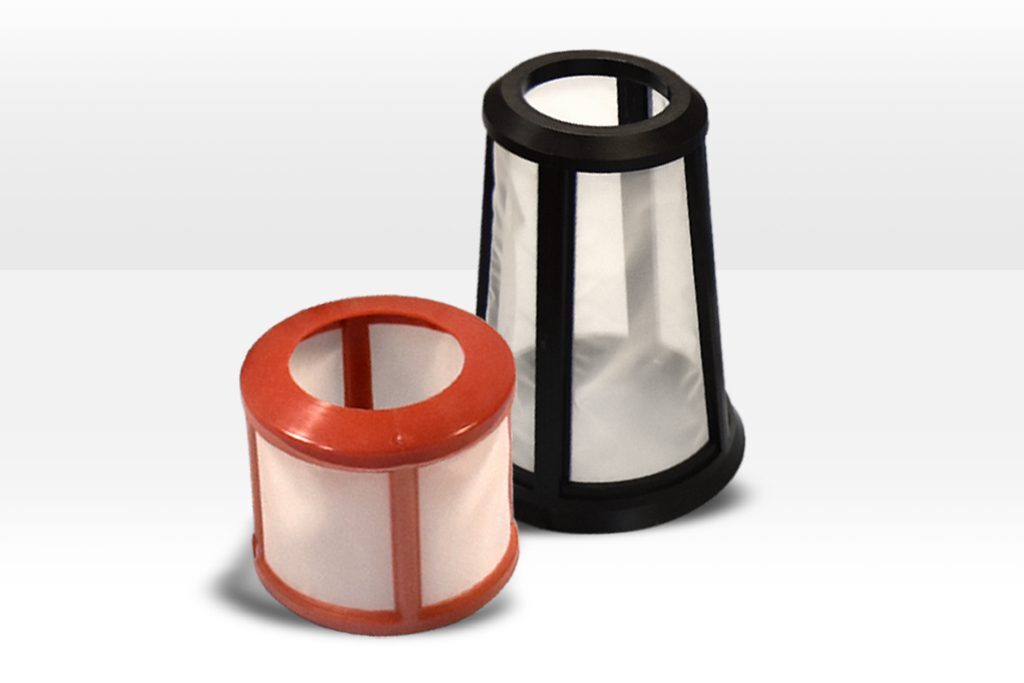
When you look at a high-performance medical device, a critical aerospace component, or even the sleek casing of a modern electronic gadget, you’re looking at the result of one of the most sophisticated manufacturing processes in the world. Custom plastic injection molding isn’t just about melting plastic and pushing it into a hole; it’s a high-stakes game of physics, chemistry, and extreme precision.
Choosing the right partner for this process is the difference between a product that thrives in the field and one that fails under pressure. Leading plastic molding manufacturers like Plastic Molded Concepts (PMC) have spent over 50 years perfecting this craft. As an ISO 9001:2015 certified company, PMC brings a level of technical depth that most shops can’t match. They specialize in the heavy lifting of the industry—high-precision injection molding, overmolding, and insert molding—for sectors where failure isn’t an option, such as aerospace, medical, and electronics. From the initial mold design and material selection to prototype development and forensic failure analysis, they provide the full spectrum of secondary operations needed to deliver durable, high-quality plastic components.
Why “Custom” Matters in Injection Molding
In manufacturing, “off-the-shelf” is often a synonym for “compromise.” When a part needs to survive the vacuum of space or the sterilized environment of an operating room, every millimeter and every gram of resin counts.
Custom plastic injection molding allows engineers to dictate the exact mechanical properties of a part. Do you need it to be chemically resistant? Should it be flame retardant? Does it need to be overmolded with a soft-touch grip? Custom services allow for:
-
Complex Geometries: Creating shapes that would be impossible or too expensive to machine.
-
Material Optimization: Using specific resins, such as resin hdpe, to achieve the perfect balance of weight and strength.
-
Scalability: While the initial mold creation is an investment, the cost per part drops significantly once you move into high-volume production.
The Core Services: Beyond the Basic Mold
A true custom molder doesn’t just “squirt and ship.” They offer specialized techniques that add layers of functionality to your parts.
1. High-Precision Injection Molding
This is the bread and butter of the industry, but “high-precision” is the key phrase. We’re talking about tolerances measured in microns. For the electronics industry, where parts are shrinking while performance demands are growing, precision is everything.
2. Overmolding and Insert Molding
Overmolding involves molding a plastic layer over another material (often another plastic or rubber) to create a single part with multiple properties—think of a rugged power tool handle with a soft grip. Insert molding, on the other hand, involves placing a non-plastic component (like a metal screw or an electronic sensor) into the mold and injecting plastic around it. This creates a seamless, incredibly strong bond that eliminates the need for post-assembly.
3. Prototype Development
Before you commit to a full-scale production run, you need to know it works. Custom molders provide bridge tooling or 3D-printed prototypes that allow for real-world testing. This step saves thousands of dollars by catching design flaws before the final steel mold is cut.
The Science of Material Selection
The choice of resin is perhaps the most critical decision in the entire manufacturing process. It isn’t just about picking a color; it’s about understanding how the polymer chains will behave under heat and pressure.
For example, HDPE (High-Density Polyethylene) is a favorite for its incredible strength-to-density ratio and chemical resistance. However, a different project might require a high-performance PEEK resin for heat resistance or a polycarbonate for impact strength. A partner like PMC helps bridge the gap between “what looks good on a datasheet” and “what actually works in the mold,” ensuring that the material chosen won’t warp, shrink excessively, or fail prematurely.
Engineering and Design: The Foundation of Quality
If the design is flawed, even the most expensive molding machine in the world can’t produce a good part. This is why forensic failure analysis and mold design are so vital.
Mold Flow Analysis
Modern molders use sophisticated software to simulate how the molten plastic will flow into the cavity. This identifies potential “knit lines,” air traps, or areas where the plastic might cool too quickly. Solving these issues in the digital phase is much cheaper than fixing a physical mold.
Forensic Failure Analysis
Sometimes, a company comes to a molder because their current part is failing in the field. Maybe it’s cracking under stress or warping over time. A high-level custom molder can perform a forensic analysis to determine if the issue is the design, the material, or the molding process itself. This “detective work” is what separates 50-year veterans from the newcomers.
Industry-Specific Demands
Different industries have vastly different “pain points.” A custom molder must be fluent in the language of each.
-
Medical: Requires cleanroom environments and materials that are biocompatible and can withstand rigorous sterilization processes.
-
Aerospace: Focuses on weight reduction (lightweighting) without sacrificing the structural integrity required for flight-critical components.
-
Electronics: Needs parts that offer excellent insulation, heat dissipation, and the ability to house tiny, delicate circuits.
Secondary Operations: The Finishing Touches
The job isn’t always done when the mold opens. To deliver a truly “plug-and-play” component, a service provider often offers secondary operations:
-
Sonic Welding: Using high-frequency ultrasonic acoustic vibrations to create a solid-state weld.
-
Pad Printing & Labeling: Adding branding, safety warnings, or instructions directly to the part.
-
Assembly: Combining multiple molded parts into a finished sub-assembly.
-
Heat Staking: Inserting metal components into plastic parts using heat and pressure.
Choosing the Right Partner
When you are vetting a custom plastic injection molding service, don’t just look at the price per part. Look at their certifications and their history. An ISO 9001:2015 certification isn’t just a badge; it’s a promise that the company has a rigorous quality management system in place.
Experience matters because plastic is temperamental. Factors like humidity in the air, the temperature of the cooling water, and the age of the machine can all affect the final product. A company with five decades of experience, like PMC, has seen every variable imaginable and knows how to compensate for them to ensure consistency across a million-part run.
Finding a Balance Between Cost and Quality
It’s easy to be tempted by low-cost overseas molding options, but the “hidden costs” often outweigh the initial savings. When you factor in shipping delays, communication barriers, and the risk of sub-par materials, domestic custom molding often provides the best ROI.
By working with a local expert, you gain a seat at the table during the design phase. You get to tap into their engineering brain trust to optimize your part for “manufacturability”—a fancy way of saying “making it better and cheaper to produce without losing quality.”
What to Ask a Potential Molder:
-
Do you have experience with my specific industry’s regulations?
-
Can you assist with resin selection for extreme environments?
-
What is your process for quality control and part inspection?
-
Do you offer in-house mold maintenance and repair?
The Future of the Industry
The world of injection molding is evolving. We are seeing a massive shift toward sustainable resins, more advanced automation, and “smart” molds that use sensors to monitor pressure and temperature in real-time. These advancements mean parts are becoming more complex, more durable, and more environmentally friendly.
Whether you are launching a startup or managing a supply chain for a global aerospace firm, the core requirement remains the same: you need a part that works exactly as intended, every single time. Custom plastic injection molding is the engine that makes that possible.
Ready to bring your design to life? If you have a complex project that requires the steady hand of an industry veteran, reaching out for a technical consultation is the best way to start.
