
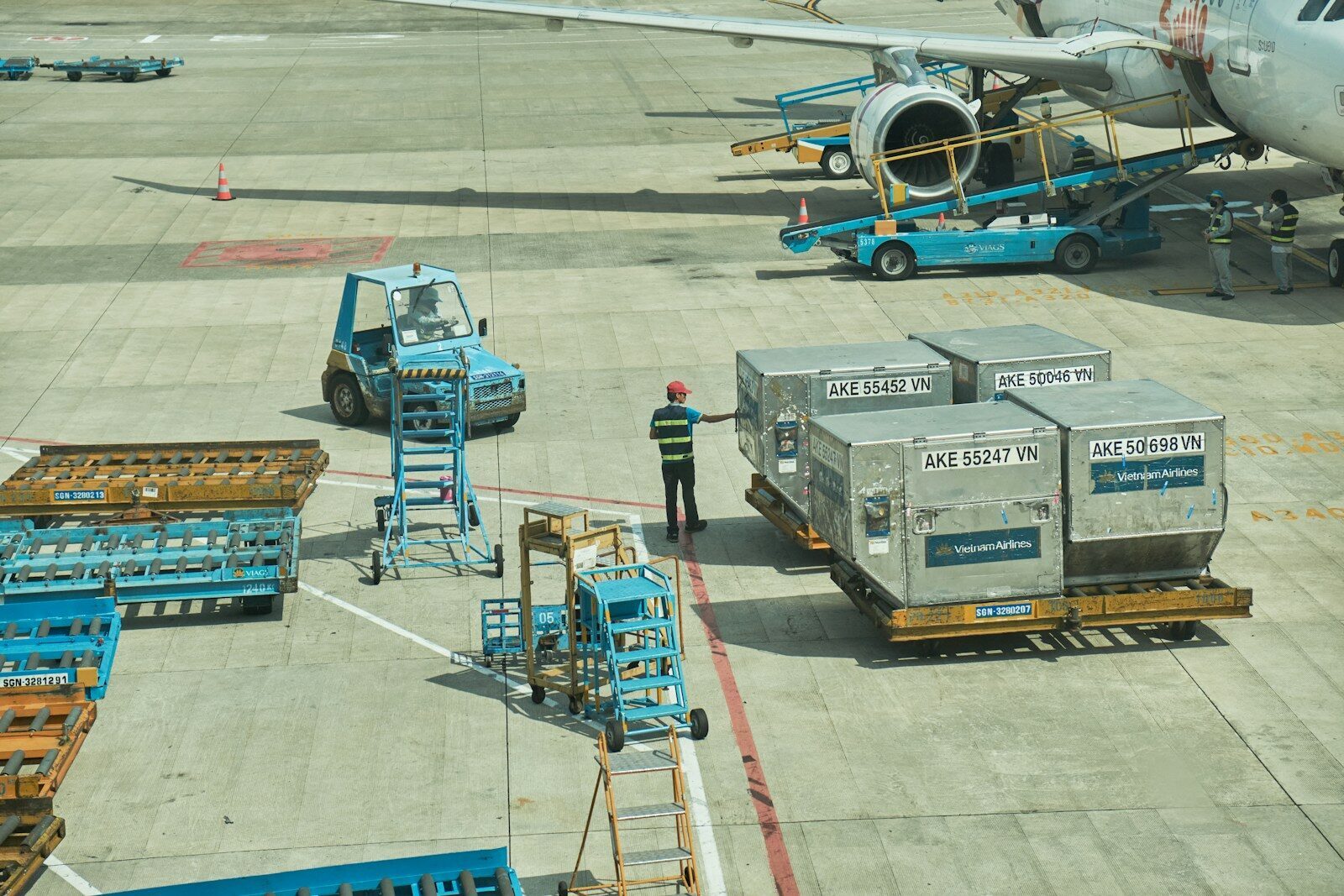
Air cargo operations are moving faster than ever, but speed alone is no longer the benchmark for success. As global supply chains become more interconnected and security expectations tighten, businesses face increasing pressure to submit accurate, timely air cargo security filings while keeping shipments moving. What was once a back-office compliance task has become a technology challenge that demands smarter systems and better data control.
Security filing processes for air freight today sit at the intersection of logistics automation, data management, and regulatory oversight. To meet these demands at scale, companies are turning away from manual processes and embracing software-driven solutions that prioritize automated workflows, visibility, and integration.
Why Traditional Air Cargo Security Filing Methods Are Breaking Down
Legacy approaches to air cargo security filing were built for a slower, less complex environment. Manual data entry, spreadsheets, and email-based workflows struggle to keep up with modern cargo volumes and evolving security requirements.
Human error remains one of the most common causes of air freight filing delays. Missing data fields, inconsistent formatting, or late submissions can trigger security holds that ripple across the supply chain. Disconnected systems also make it difficult for teams to track filing status or respond quickly when authorities request updates or corrections.
As regulations continue to evolve, relying on fragmented tools places unnecessary strain on operations. Compliance teams spend more time fixing issues after submission rather than preventing them in the first place, turning security filing into a recurring bottleneck.
The Rise of Software-Driven Air Cargo Security Filing
Software-led platforms are reshaping how air cargo security filing is handled. Instead of treating filings as standalone documents, modern systems manage them as structured data processes.
Automated data capture reduces repetitive manual input and ensures consistency across customs submissions. Built-in validation checks flag potential issues before filings are sent, significantly lowering rejection rates. Centralized dashboards give teams a single view of all shipments, filings, and statuses, improving control without increasing workload.
By standardizing how data is collected and submitted, air freight software transforms compliance filing from a reactive task into a predictable, repeatable workflow solution.
How Modern Systems Improve Security and Operational Control
Beyond compliance, software-driven air freight filing solutions improve operational decision-making. Real-time access to shipment, filing and tracking data allows teams to monitor progress and identify risks early. If a filing requires review or additional information, issues can be resolved before cargo reaches critical checkpoints.
Integrated automated workflows also reduce handoffs between departments, freight partners, and carriers. Instead of chasing updates across systems, teams work from a shared source of truth. Digital audit trails further strengthen accountability, making it easier to demonstrate compliance during inspections or reviews.
Why Software-Led Compliance Is a Competitive Advantage
Faster, cleaner filings lead to more predictable cargo movement. Fewer delays mean lower costs, stronger service reliability, and better customer outcomes. Businesses also gain agility when regulations change, as software updates and configuration adjustments can be implemented quickly.
Solutions such as CrimsonLogic’s platforms support air cargo security filing by enabling structured data submission, automation, and connectivity with regulatory systems. By digitizing compliance workflows, businesses can reduce risk while maintaining operational momentum.
The Future of Air Cargo Security Filing Is Digital
Logistics automation software is no longer just about meeting requirements. It is about building resilient, technology-driven operations that can adapt to changing rules and rising expectations. Automated workflows, integration, and real-time visibility are becoming essential, not optional.
As trade continues to evolve, software will remain the foundation of secure, efficient air cargo operations. Businesses that invest in digital security filing systems today will be better positioned to manage risk, protect throughput, and stay competitive in an increasingly data-driven logistics landscape.
