
A 12,000 BTU mini split often draws about 0.8 to 1.2 kilowatts while actively cooling, but an inverter system does not stay at full output all day. After the room reaches the set temperature, the compressor slows down and uses less power. As a practical estimate, a DELLA mini split 12000 BTU rated near 920 watts would use 7.36 kWh during eight hours of full-rated operation, or about 221 kWh over 30 days. A properly sized mini split may use less during mild weather because it can reduce output instead of repeatedly switching on and off.
What Daily and Monthly Electricity Use Looks Like
Multiply wattage by operating hours, then divide by 1,000. A 920-watt system running for eight equivalent full-load hours uses 7.36 kWh per day. At 18 cents per kWh, that equals about $1.32 per day and just under $40 per month.
Treat that figure as a budgeting baseline, not a guaranteed bill. On a mild day, the compressor may spend hours maintaining comfort at a lower draw. During a heat wave, it may remain near full output much longer. The runtime shown on the remote does not always equal full-load runtime.
Why do a Bedroom, Home Office, and Garage Use Different Amounts
A shaded bedroom with closed doors and decent insulation is usually an easy load. The unit cools the room, slows down, and maintains the temperature with fewer high-power periods. A home office may use more electricity because computers, lighting, and occupants add heat during the workday.
An insulated garage can perform much like a normal room. A west-facing garage with an uninsulated door, hot tools, and frequent openings is harder to cool. Even with the same square footage, sun exposure, air leaks, ceiling height, and humidity, can create very different monthly costs.
Thermostat settings matter too. Maintaining 76°F in moderate weather requires less work than trying to hold 68°F during a 100°F afternoon.
Who Is a 12,000 BTU Mini Split Best For?
This size commonly fits spaces around 400 to 550 square feet, including larger bedrooms, home offices, small living rooms, studios, and insulated workshops. It works best when one indoor unit can move air through the occupied area without several closed rooms blocking circulation.
Remote workers can cool one office instead of the entire house all day. Homeowners finishing a garage, sunroom, or addition can add heating and cooling without extending ductwork. Couples who mainly need nighttime comfort can condition the bedroom while keeping other zones at a less demanding setting.
Room area is only the starting point. An undersized unit may run continuously without reaching the target temperature, while an oversized unit can cool too quickly and remove less humidity. Insulation, climate, windows, and ceiling height should shape the final choice.
Features That Help Keep Electricity Use Under Control
Inverter compressor technology is the main efficiency advantage. Rather than cycling between full power and off, the compressor changes speed to match the current load. That smoother operation works well where the target temperature stays fairly steady.
SEER2 helps compare seasonal efficiency. DELLA’s 12,000 BTU range includes models from 17 to 25 SEER2, giving buyers options for different climates and schedules. A higher-efficiency model may make more sense in a hot region or a room used for many hours each day.
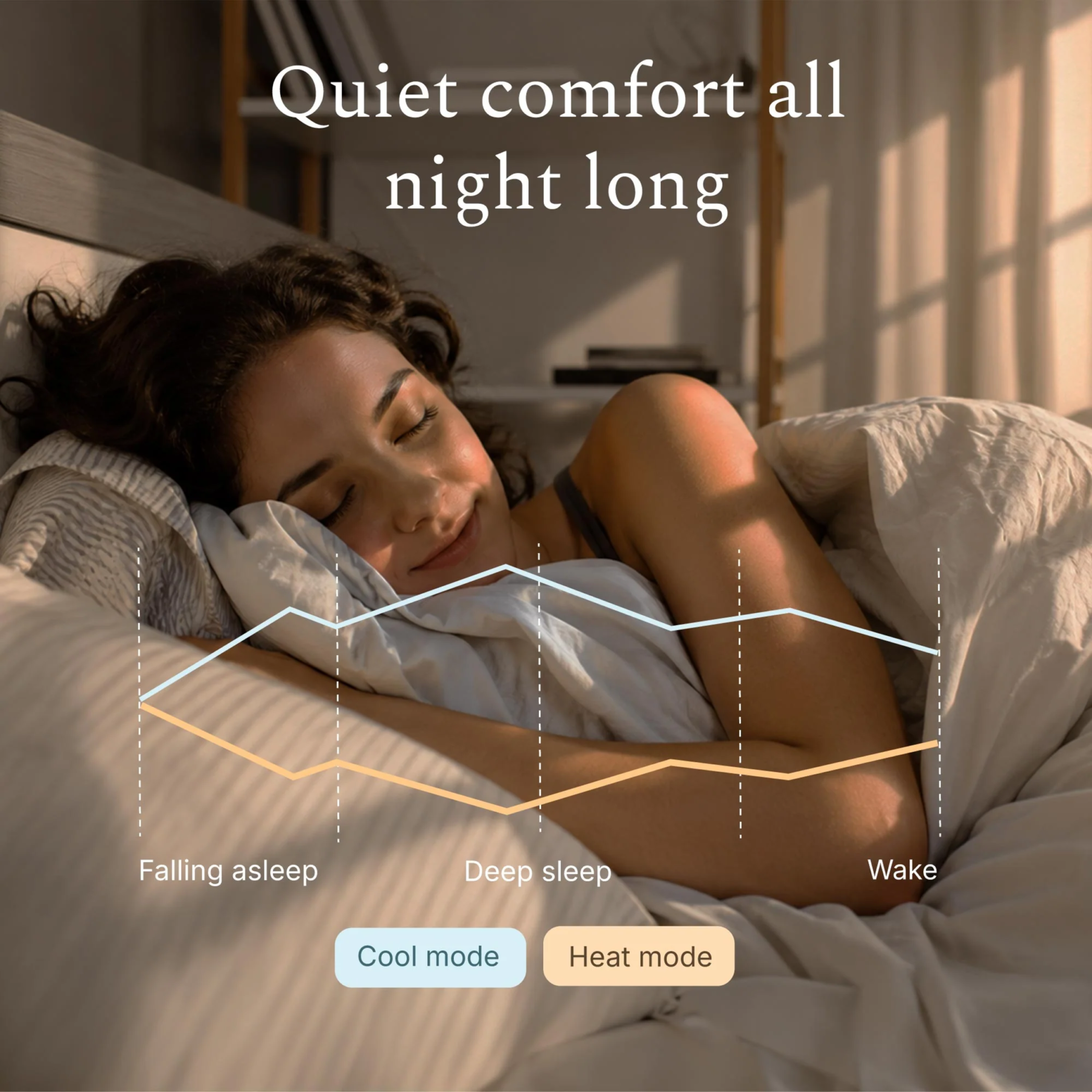
Scheduling and app controls can also limit waste. A home office can begin cooling shortly before work and raise the setting after hours. Sleep mode can make gradual adjustments overnight. Clean filters, open indoor airflow, and a clear outdoor coil help the system operate without extra strain.
How to Estimate Your Own Mini Split Cost
Use the cooling input wattage on the specification sheet, not the BTU number alone.
Daily kWh = watts × hours ÷ 1,000
Monthly cost = daily kWh × 30 × electricity rate
For a more realistic estimate, compare your first full month of use with the same month from the previous year. Weather and other appliances affect the total, but the change provides a useful baseline. Because many mini splits are hardwired, do not use a standard plug-in meter unless the equipment is designed for it. A compatible circuit monitor or an electrician can provide safer usage data.
