

At a glance:
Looking for relief from the heat without installing a permanent cooling system? A portable air conditioner offers a flexible and efficient way to cool specific areas of your home or office. In this guide, we cover the types, features, benefits, and top-rated models of 2025 to help you make an informed decision.
A portable air conditioner is an ideal solution for individuals seeking a cost-effective and movable cooling system. As temperatures continue to rise each summer, these units provide essential comfort for spaces where traditional air conditioning systems may not be feasible or practical.
What Is a Portable Air Conditioner?
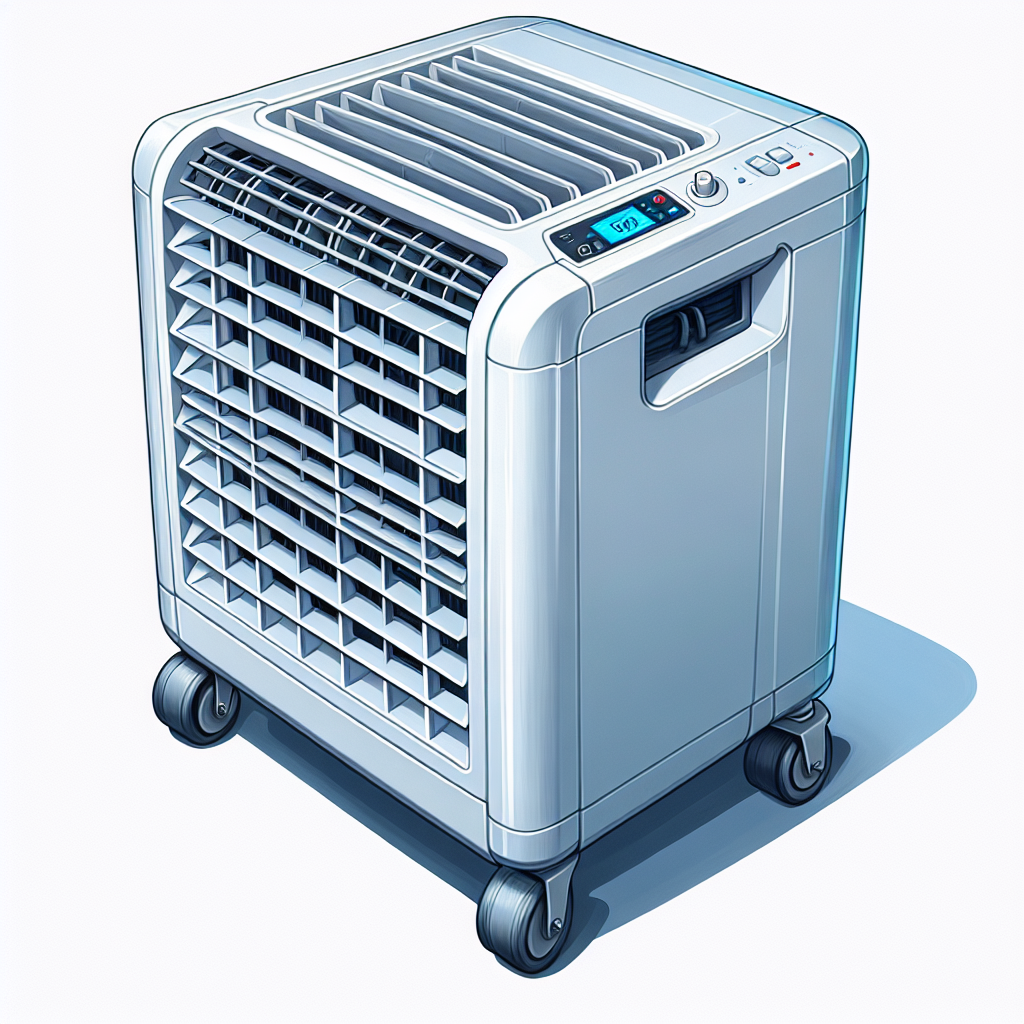
A portable air conditioner is a compact, movable cooling device designed to lower the temperature in individual rooms. Unlike window units or central air systems, these models sit on the floor and typically come with wheels for easy transportation. They often require an exhaust hose to be vented through a window, but no permanent installation is needed, making them popular for renters and small apartment dwellers.
Benefits of Using a Portable Air Conditioner
Flexibility and Portability
One of the standout benefits is its portability. These units can be easily moved from room to room, allowing you to cool different areas as needed without multiple installations.
Easy Installation
Most portable air conditioners require minimal setup—just an exhaust hose to a window and a power source. No drilling or complex wiring is necessary, making them perfect for short-term living spaces.
Energy Efficiency
Modern portable AC units are designed to be energy efficient. By cooling only the room you’re using, they can reduce overall electricity consumption compared to central air systems.
Cost-Effective Cooling
With a lower upfront cost than permanent systems and reduced energy bills, portable ACs offer a budget-friendly option for temperature control.
Ideal for Supplemental Cooling
They are excellent for supplementing central systems in rooms that are notoriously hard to cool, like attics or sunrooms.
Key Features to Consider Before Buying
BTU Rating (Cooling Capacity)
The cooling power of portable air conditioners is measured in BTUs (British Thermal Units). A higher BTU rating means the unit can cool a larger space. For instance, a 10,000 BTU model can typically cool a 300–400 square foot room.
Single Hose vs. Dual Hose
Single-hose units draw air from the room and expel warm air outside. Dual-hose units pull in outside air for cooling and exhaust it back outside, resulting in more efficient cooling and less strain on the unit.
Noise Level
Measured in decibels (dB), the noise level of a portable air conditioner is crucial, especially for bedrooms or offices. Look for units with a dB rating below 55 for quieter operation.
Energy Efficiency Ratio (EER)
A higher EER indicates better energy efficiency. Models with Energy Star certification are usually the most efficient.
Dehumidifying Function
Many portable ACs also function as dehumidifiers. This feature is especially useful in humid climates, improving air comfort by removing excess moisture.
Smart Features and Controls
Newer models may include Wi-Fi capabilities, remote controls, timers, and smart app integrations, allowing you to control the unit via smartphone or voice commands.
Drainage Options
Some units are self-evaporative, meaning they recycle moisture and rarely need manual drainage. Others have internal tanks that require periodic emptying or can be connected to a drainage hose.
Top 5 Portable Air Conditioners of 2025
1. Whynter ARC-14S Dual Hose Portable Air Conditioner
-
BTU Rating: 14,000
-
Coverage Area: Up to 500 sq. ft.
-
Notable Features: Dual-hose system, dehumidifier, Energy Star rated
-
Why It Stands Out: High efficiency and quiet operation with powerful cooling.
2. Honeywell HF0CESVWK6 Smart Wi-Fi Portable Air Conditioner
-
BTU Rating: 12,000
-
Coverage Area: 450 sq. ft.
-
Notable Features: Smart Wi-Fi control, voice integration, dual filters
-
Why It Stands Out: Best smart features and app connectivity.
3. BLACK+DECKER BPACT10WT Portable Air Conditioner
-
BTU Rating: 10,000
-
Coverage Area: 250–300 sq. ft.
-
Notable Features: Compact size, sleep mode, auto shut-off
-
Why It Stands Out: Great value for small rooms and budget-friendly price.
4. LG LP1419IVSM Dual Inverter Portable AC
-
BTU Rating: 14,000
-
Coverage Area: Up to 500 sq. ft.
-
Notable Features: Dual inverter compressor, ultra-quiet operation
-
Why It Stands Out: Top-tier energy efficiency and whisper-quiet technology.
5. DeLonghi PACEX390UV Carelight Portable AC
-
BTU Rating: 13,500
-
Coverage Area: 400 sq. ft.
-
Notable Features: Built-in UV-C light for air purification, bio-silver filter
-
Why It Stands Out: Best for air quality improvement in allergy-prone households.
How to Properly Set Up Your Portable Air Conditioner
Step 1: Unbox and Position the Unit
Place the unit near a window and a power outlet. Ensure there’s at least 20 inches of clearance around the unit for proper airflow.
Step 2: Attach the Exhaust Hose
Secure the hose to the back of the unit and extend it to the window adapter. Install the window kit and seal any gaps to prevent warm air from re-entering the room.
Step 3: Power On and Select Mode
Plug in the unit and choose your desired setting—cooling, fan, or dehumidifier. Adjust temperature settings and enjoy immediate relief.
Step 4: Maintain Regularly
Clean the air filters every two weeks, check for hose kinks, and empty the water collection tank if needed. Regular maintenance ensures optimal performance.
Common Questions About Portable Air Conditioners
Are portable air conditioners better than window units?
Both have their pros and cons. Portable units are easier to move and install but may be slightly less efficient than window models.
Do I need to vent a portable AC?
Yes, most portable air conditioners require venting through a window or wall to expel hot air.
Can I use it in a room without a window?
Not recommended unless you can vent the hot air through a sliding door or another opening. Without proper ventilation, the unit won’t cool effectively.
How much electricity do they use?
Energy usage varies by model, but most fall between 900 to 1,800 watts. Energy-efficient models can cost between $0.10 to $0.25 per hour depending on your electricity rate.
Who Should Buy a Portable Air Conditioner?
Apartment Renters
With restrictions on permanent installations, renters often benefit from the portability and ease of use of a standalone AC unit.
Home Office Workers
Maintain a comfortable working environment during summer months without cranking up the central AC for the whole house.
Seniors and Individuals With Mobility Needs
Units with remote controls and auto modes reduce the need for frequent adjustments.
Event Planners and Mobile Setups
Cool tents, trailers, and event spaces with a portable unit when electrical access is available.
Environmental Impact and Energy Tips
Use During Off-Peak Hours
Running your AC during off-peak hours (early morning or late evening) may reduce costs and energy strain on the grid.
Improve Insulation
Prevent heat exchange by sealing windows, using blackout curtains, and insulating doors.
Combine with Fans
Circulate cool air more efficiently with ceiling or floor fans to enhance your unit’s performance.
Eco-Friendly Models
Look for models using R-410A refrigerant, which has less environmental impact compared to older alternatives.
Final Thoughts: Choosing the Right Portable Air Conditioner for You
When selecting a portable air conditioner, consider the size of your space, noise sensitivity, smart features, and energy efficiency. From affordable single-room models to advanced dual-hose smart units, 2025 offers a wide range of solutions that cater to different needs and preferences.
With proper maintenance and installation, a portable AC can be a long-lasting and highly effective addition to your climate control setup. Whether you’re battling record summer heat or simply looking for more comfort, the right model can dramatically improve your indoor living experience.
