
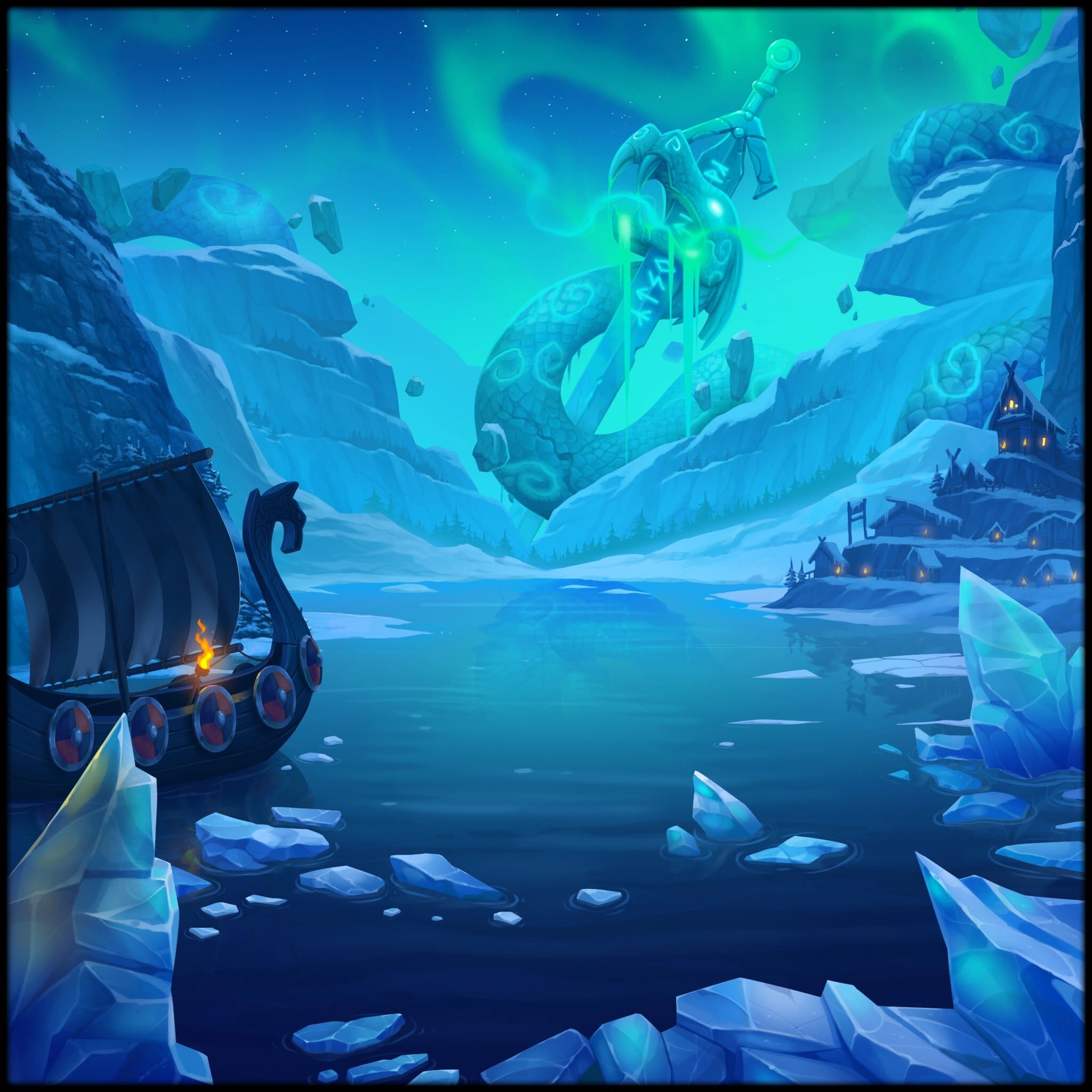
In today’s global gaming industry, visual quality is often the defining factor between a game that stands out and one that goes unnoticed. Developers face immense pressure to deliver polished, visually stunning content under tight deadlines and limited budgets. This is why game art outsourcing has become such a vital solution. By partnering with specialized external studios, developers gain access to top-tier artists, scalable resources, and cost-effective production pipelines without sacrificing quality. From concept art and character design to environments and animation, outsourcing allows teams to focus on core gameplay while experts handle the demanding artistic workload.
What Game Art Outsourcing Really Means
Defining the Concept
Game art outsourcing is the practice of delegating artistic tasks to external professionals or studios. This can include 2D and 3D character design, environment modeling, textures, UI/UX elements, and even full animation pipelines. Instead of maintaining a large in-house art team, developers can selectively outsource based on project needs, balancing flexibility with quality.
Why Developers Choose to Outsource
The primary reasons for outsourcing are efficiency, scalability, and access to specialized talent. Studios may lack the in-house expertise for certain styles or technologies, such as hyper-realistic 3D modeling or stylized anime aesthetics. Outsourcing bridges this gap, ensuring that projects meet industry standards without delays.
Common Misconceptions
Some believe outsourcing means sacrificing creative control or lowering quality, but in reality, the best outsourcing partners act as true collaborators. With clear communication, style guides, and pipelines, outsourced teams integrate seamlessly with internal developers, often delivering results equal to or surpassing in-house teams.
The Types of Game Art Commonly Outsourced
2D Concept Art and Illustrations
Concept art forms the foundation of any game’s visual identity. Outsourced artists create detailed character designs, environments, and props that establish tone and style. These illustrations guide developers and animators throughout production, ensuring consistency in vision.
3D Modeling and Texturing
3D outsourcing includes character modeling, environment creation, and texture design. External studios often specialize in specific areas, such as realistic anatomy or fantasy worlds, providing expertise that elevates overall game quality. Texturing is equally critical, as it brings surfaces to life with depth and realism.
Animation and Visual Effects
Animation services, both 2D and 3D, are frequently outsourced due to their complexity and time demands. External teams provide smooth character movements, cinematic cutscenes, and dynamic visual effects that enhance immersion. This ensures gameplay feels fluid and visually engaging without overloading internal staff.
The Benefits of Game Art Outsourcing
Cost Efficiency Without Quality Loss
Outsourcing reduces overhead costs by eliminating the need for large in-house teams, permanent salaries, and expensive software licenses. Developers can hire experts only when needed, making resource allocation more efficient.
Access to Global Talent
Studios gain access to international networks of artists who bring unique cultural perspectives and styles. Whether a game requires photorealistic Western aesthetics or stylized Eastern designs, outsourcing provides unmatched diversity.
Faster Production Timelines
Outsourcing allows multiple teams to work in parallel, accelerating project completion. While in-house staff focus on core mechanics, external teams deliver polished art assets on schedule, ensuring faster time-to-market.
The Outsourcing Workflow in Game Development
Pre-Production and Style Guides
Every successful outsourcing project begins with clear documentation. Developers provide style guides, references, and technical specifications to align outsourced teams with project vision. Pre-production reduces miscommunication and establishes expectations early.
Iterative Feedback and Revisions
Effective outsourcing relies on feedback loops. External teams deliver drafts, receive notes, and make revisions to align with client goals. Cloud platforms and version control systems streamline this process, keeping both parties updated in real time.
Final Delivery and Integration
The final stage involves delivering assets in formats compatible with game engines. Whether for Unity, Unreal, or proprietary systems, outsourced teams ensure seamless integration. Proper testing guarantees that assets perform as intended within gameplay.
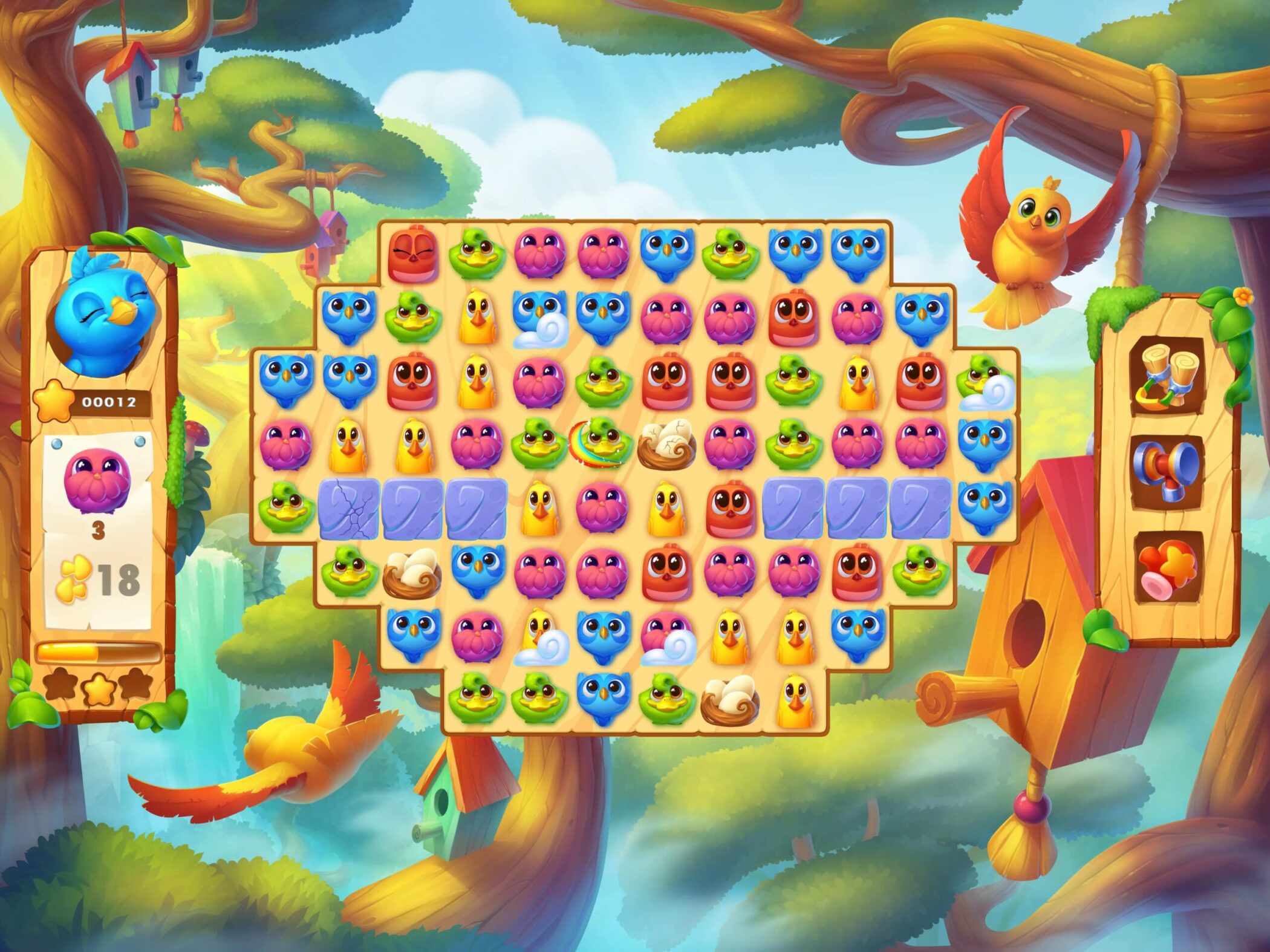
Challenges and Risks in Game Art Outsourcing
Communication Barriers
Working across different time zones and languages can create misunderstandings. Studios overcome this by using collaboration platforms and setting structured meeting schedules. Clear communication ensures smoother results.
Maintaining Consistent Quality
With multiple teams contributing assets, maintaining a unified art style can be challenging. Strong art direction and detailed guidelines are crucial to prevent inconsistency.
Intellectual Property Protection
Security is a major concern when outsourcing. Developers must ensure that contracts, NDAs, and secure file-sharing systems are in place to protect proprietary content from leaks or misuse.
How to Choose the Right Outsourcing Partner
Reviewing Portfolios and Case Studies
A studio’s past work is the best indicator of its capabilities. Reviewing portfolios, case studies, and client testimonials helps developers gauge whether the outsourcing partner can deliver the desired style and quality.
Evaluating Technical Expertise
Beyond artistic talent, technical compatibility is essential. Outsourced teams must be proficient with the same software, engines, and pipelines used by developers to ensure smooth integration.
Building Long-Term Partnerships
Rather than treating outsourcing as a one-time transaction, developers benefit from long-term relationships with trusted studios. Familiarity with workflows and expectations reduces onboarding time and improves collaboration efficiency.
Why Game Art Outsourcing Remains Vital Today
In a world where player expectations continue to rise, outsourcing remains one of the most effective strategies for delivering high-quality visuals without overextending resources. Game art outsourcing empowers developers to focus on innovation, storytelling, and gameplay while external experts handle the demanding artistic workload. By bridging global talent with efficient workflows, outsourcing ensures that even small teams can compete with industry giants. As technology advances and audiences grow more diverse, outsourcing will continue to play a central role in shaping the future of gaming.
