
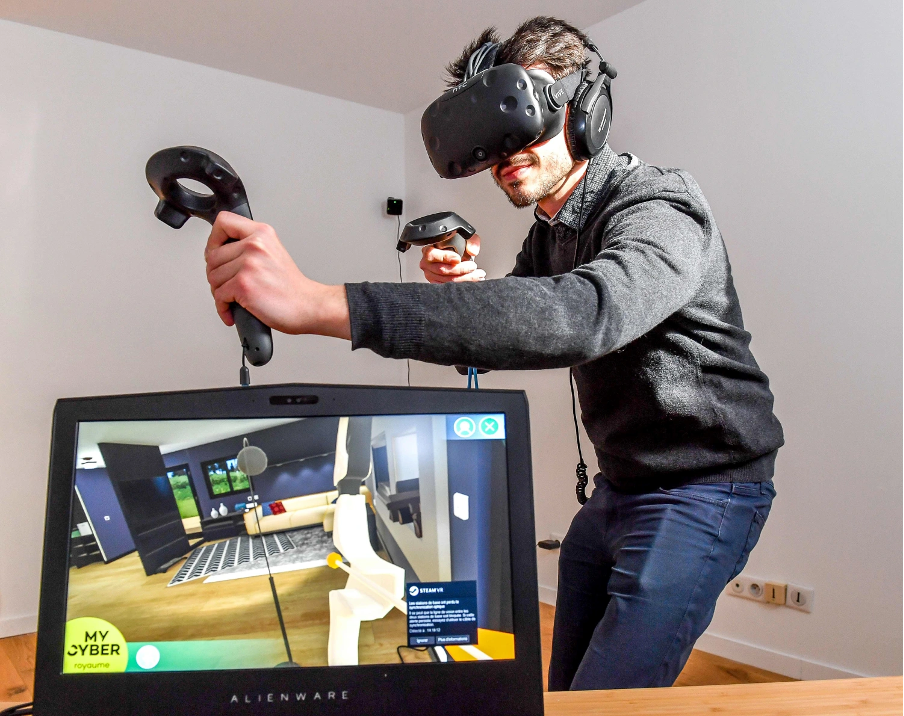
Virtual reality gaming has been the next big thing for a while now. In fact, it was first touted as being that in the late 1980s/early 1990s. But it’s never quite happened. So, today, where it’s been touted as the next big thing for several years now, can we actually believe it?
Of course, the technology has got better and become more accessible and in fact VR gaming has entered several areas of gaming, from action and shooters to the best slots on Real Prize, where you can get closer to being in a Las Vegas casino without being there than ever before. But even then, it’s not being played in masses.
There’s no doubt that we find the technology fascinating, and there’s also no doubt it has made remarkable progress. But it still occupies a relatively small segment of the gaming market. The question is, for how long?
How Far Has VR Gaming Come?
The early days of consumer VR were often criticised for expensive hardware, limited game libraries and bulky headsets. While the concept was impressive, the technology simply wasn’t advanced enough to appeal to the average gamer.
Today’s VR systems are significantly more sophisticated. Headsets have become lighter, displays offer higher resolutions and motion tracking has improved dramatically. Standalone devices no longer require powerful gaming computers, making virtual reality more accessible than ever before.
Developers have also produced a growing catalogue of high-quality VR games, ranging from action-adventure and racing simulators to fitness titles and puzzle games. These improvements have helped transform VR from an interesting novelty into a genuinely enjoyable way to play.
Why Players Enjoy Virtual Reality
The biggest strength of VR gaming is immersion. Instead of watching events unfold on a television or monitor, players become part of the experience, interacting with virtual environments using natural movements.
This level of immersion creates unique gameplay opportunities that traditional gaming cannot easily replicate. Whether exploring fantasy worlds, competing in sports simulations or solving escape room puzzles, VR offers experiences that feel more personal and engaging.
Social interaction has also become an important feature of virtual reality. Multiplayer VR games allow friends to meet, communicate and play together in shared virtual spaces, making gaming feel more collaborative than ever before.
The Challenges Holding VR Back
Despite its impressive progress, several barriers continue to prevent VR gaming from reaching the mainstream.
Cost remains one of the biggest obstacles. Although prices have fallen considerably, purchasing a VR headset still represents a significant investment for many households. For players who already own a games console or gaming PC, buying additional hardware may not feel essential.
Comfort is another consideration. While modern headsets, like the Apple Vision Pro, are much lighter than earlier models, some users still experience motion sickness or fatigue during extended gaming sessions. Manufacturers continue to improve display technology and tracking systems to reduce these issues, but they have not been eliminated entirely.
Content is also a factor. Although the VR game library continues to grow, it remains much smaller than the vast selection available on traditional gaming platforms. Many players are reluctant to invest in hardware if only a limited number of exclusive titles appeal to them.
Beyond Gaming
Virtual reality is already finding applications far beyond entertainment, which could ultimately help drive wider adoption.
Education, healthcare, engineering and professional training increasingly use VR to create realistic simulations that improve learning and practical skills. Architects can walk through building designs before construction begins, while medical professionals can practise complex procedures in virtual environments.
As more industries embrace virtual reality, improvements in hardware are likely to benefit gamers as well. Increased demand should encourage manufacturers to develop lighter, more affordable and more powerful headsets.
The Rise of Virtual Entertainment
Gaming is only one part of the wider VR ecosystem. Virtual concerts, sporting events, museums and social platforms are becoming increasingly popular, allowing people to experience events from anywhere in the world.
Even online casinos have begun exploring virtual reality. Some platforms are experimenting with VR casino environments where players can interact with dealers and other users in immersive digital settings. While still a niche offering, these developments demonstrate how VR could transform online entertainment by creating more engaging and interactive experiences.
What Does the Future Hold?
The future of VR gaming will depend on several factors, including continued hardware improvements, lower prices and the release of more compelling games. Advances in artificial intelligence, cloud computing and faster internet connections could also make virtual reality more accessible to a wider audience.
Many experts believe mixed reality, which combines virtual and real-world environments, will become increasingly important over the next decade. This technology may help bridge the gap between traditional gaming and fully immersive virtual experiences.
