
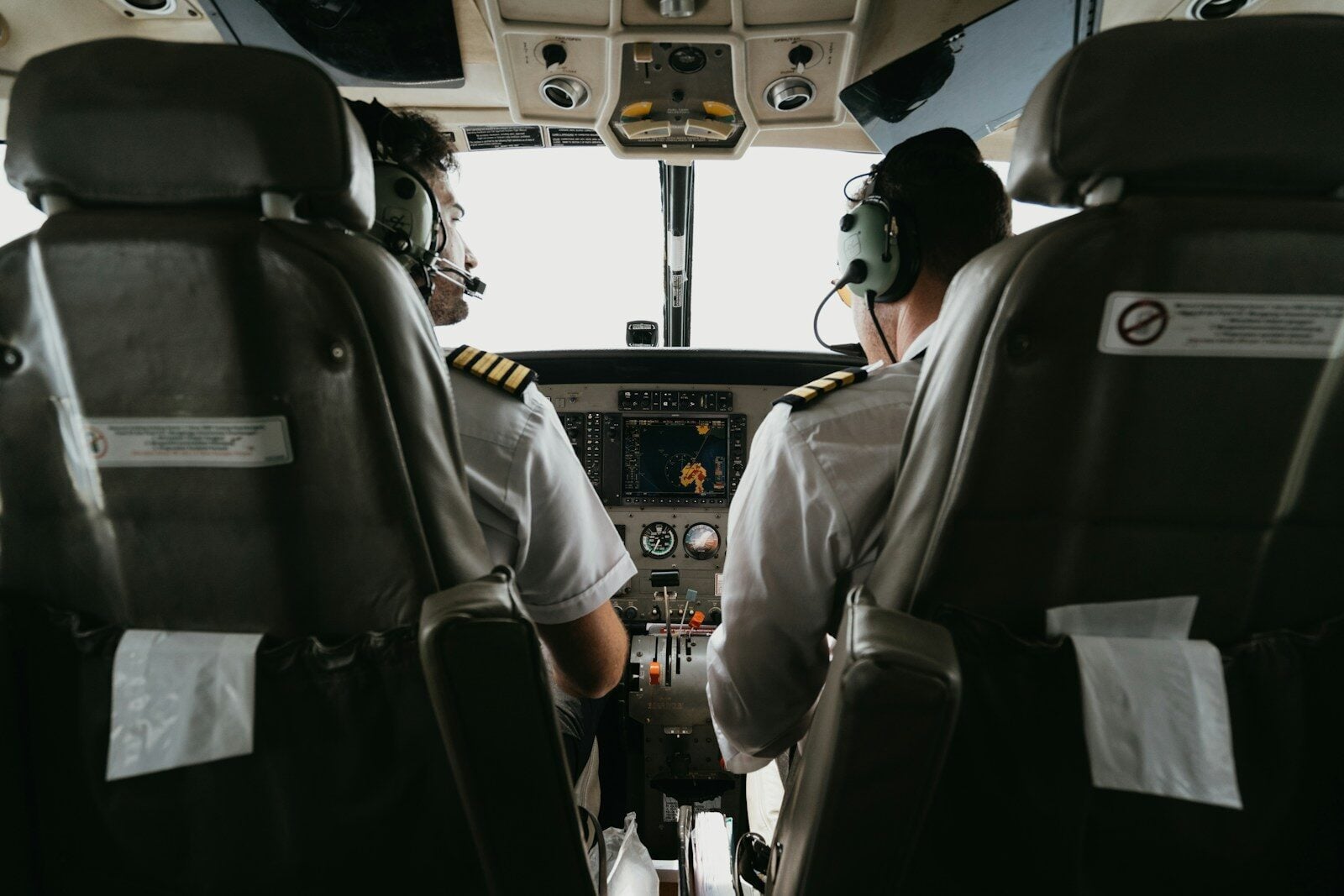
In business aviation, passengers often focus on the aircraft itself—its cabin comfort, range, technology, and luxury amenities. While these factors certainly contribute to the travel experience, one element remains more important than any onboard feature: the expertise of the pilots operating the aircraft.
Behind every successful private flight is a highly trained crew responsible for ensuring safety, efficiency, and exceptional service. Whether flying a short domestic route or a complex international mission, experienced pilots play a critical role in every stage of the journey.
At Hera Flight, we understand that professional flight crews are the foundation of safe and reliable private aviation. Here’s why pilot experience matters more than many travelers realize.
Safety Always Comes First
Safety is the primary reason pilot experience matters.
Modern business jets are equipped with advanced avionics, navigation systems, weather radar, and automation technologies. However, even the most sophisticated aircraft still depend on human expertise to make critical decisions.
Experienced pilots are trained to:
- Assess changing weather conditions;
- Respond to unexpected operational challenges;
- Manage emergency situations;
- Coordinate with air traffic control;
- Make informed decisions under pressure.
Thousands of flight hours provide valuable real-world experience that cannot be replaced by technology alone.
When passengers step aboard a private jet, they place their trust in the flight crew. Extensive training and operational experience help ensure that trust is well placed.
Superior Decision-Making in Complex Situations
Aviation rarely follows a perfectly predictable path.
Weather systems can change unexpectedly. Airports may experience congestion. Airspace restrictions can affect routing. Technical issues occasionally require operational adjustments.
Experienced pilots have encountered many of these situations before and understand how to respond effectively.
Their ability to quickly evaluate risks and identify solutions helps maintain both safety and schedule reliability.
In business aviation, where executives often travel on tight schedules, effective decision-making can significantly reduce delays and disruptions.
Experience Improves Operational Efficiency
Business aviation is valued for its flexibility and time-saving benefits.
Experienced pilots contribute directly to operational efficiency by:
- Selecting optimal flight routes;
- Minimizing delays;
- Managing fuel consumption effectively;
- Coordinating smoothly with airport operations;
- Adapting quickly to changing conditions.
These skills can improve overall trip performance while reducing unnecessary operational costs.
For corporate travelers, efficiency often translates directly into productivity and business value.
International Flight Expertise Matters
Many private jet clients regularly travel across multiple countries and continents.
International operations involve additional complexities, including:
- Customs procedures;
- Immigration requirements;
- International regulations;
- Airspace restrictions;
- Language differences;
- Airport-specific operating procedures.
Pilots with extensive international experience understand these challenges and know how to navigate them efficiently.
Their knowledge helps ensure smoother cross-border operations and reduces the likelihood of avoidable delays.
Managing Challenging Weather Conditions
Weather remains one of the most significant variables in aviation.
While modern forecasting tools provide valuable information, interpreting weather data and making appropriate operational decisions requires experience.
Skilled pilots understand:
- Thunderstorm avoidance;
- Turbulence management;
- Winter operations;
- Low-visibility procedures;
- Crosswind landings;
- Mountain flying conditions.
Their expertise helps ensure passenger safety and comfort, even when weather conditions become less than ideal.
Aircraft-Specific Knowledge
Each business jet model has unique operating characteristics.
A pilot who has accumulated significant experience on a specific aircraft type develops a deeper understanding of:
- Aircraft performance;
- Fuel management;
- Flight planning considerations;
- System limitations;
- Emergency procedures.
This specialized knowledge contributes to smoother operations and more effective decision-making.
For this reason, operators invest heavily in recurrent training and aircraft-specific certification programs.
Passenger Comfort Is Also a Skill
Pilot performance influences more than safety.
Experienced crews understand how operational decisions affect passenger comfort throughout the flight.
They may adjust routing or altitude to:
- Reduce turbulence;
- Improve cabin comfort;
- Optimize arrival times;
- Enhance overall flight quality.
Business aviation clients expect a seamless travel experience, and skilled pilots play a major role in delivering that expectation.
Continuous Training Never Stops
Aviation professionals undergo ongoing training throughout their careers.
Even highly experienced pilots regularly participate in:
- Simulator training;
- Emergency procedure exercises;
- Safety reviews;
- Regulatory compliance programs;
- Aircraft transition training.
This commitment to continuous learning helps maintain the highest standards of safety and professionalism.
In business aviation, experience and training work together to create exceptional flight crews.
The Human Element in a High-Tech Industry
Business aviation continues to evolve through advancements in automation, artificial intelligence, and flight management technology.
However, technology remains a tool—not a replacement for professional judgment.
The ability to evaluate complex situations, communicate effectively, and make informed decisions remains uniquely human.
Experienced pilots combine technical expertise with practical knowledge developed through years of operational experience.
This human element remains one of the most valuable assets in modern aviation.
Why Hera Flight Prioritizes Experienced Crews
At Hera Flight, we understand that our clients expect more than transportation. They expect safety, reliability, professionalism, and peace of mind.
That is why we work with carefully selected operators that maintain rigorous pilot qualification standards, ongoing training programs, and strong safety cultures.
Every flight is supported by professionals who possess the expertise necessary to operate in today’s demanding aviation environment.
Conclusion
When evaluating private jet charter options, passengers often compare aircraft, pricing, and onboard amenities. While these factors are important, the experience and professionalism of the flight crew remain among the most critical aspects of any journey.
Experienced pilots enhance safety, improve efficiency, manage risk effectively, and contribute to a superior passenger experience from departure to arrival.
In business aviation, the aircraft may attract attention—but it is the people in the cockpit who ultimately make the difference.
