
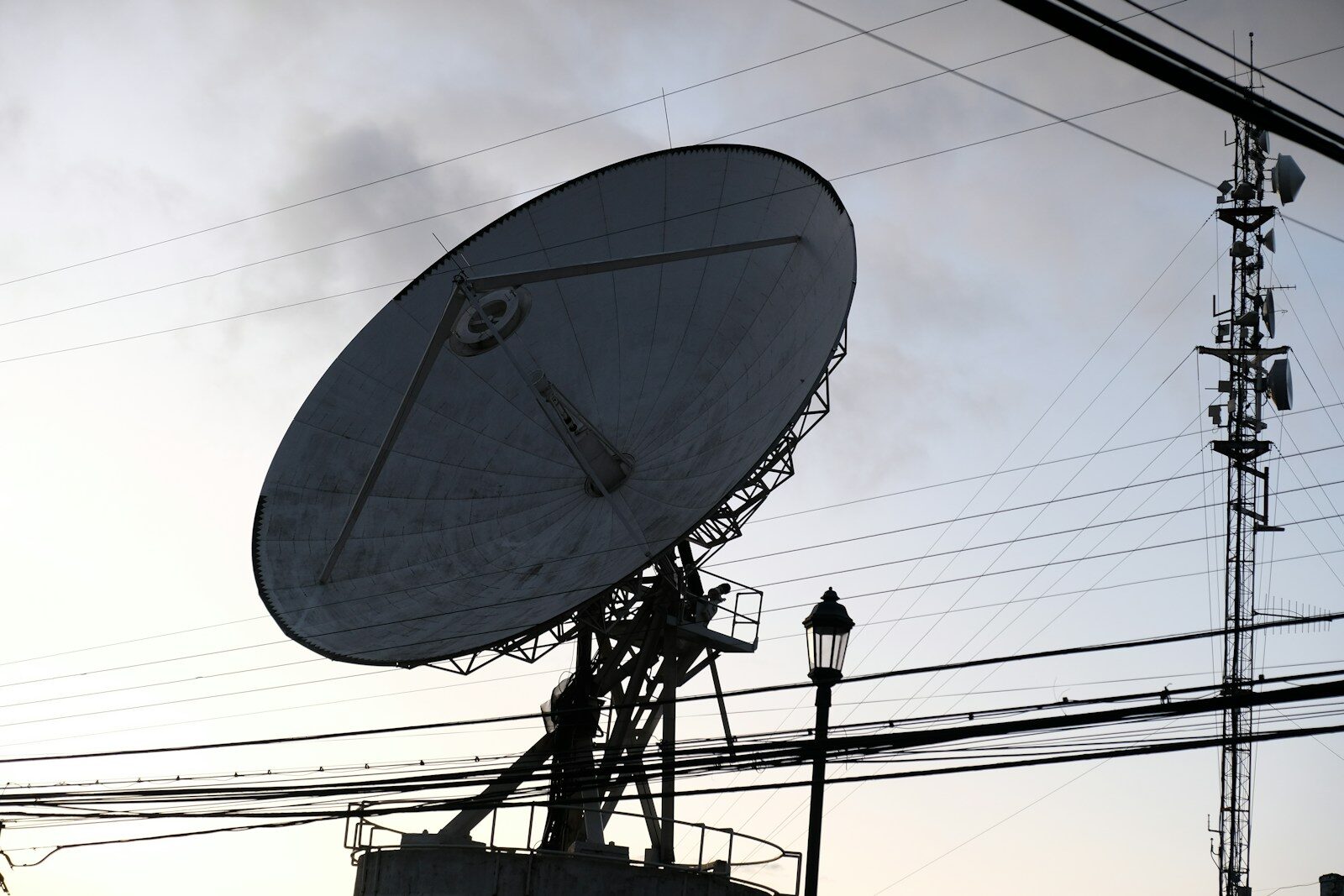
The Moment Everything Goes Quiet
Picture this: the lights flicker once, twice—then total darkness. Your phone shows “No Service.” The internet’s gone. No texts, no calls, no updates. Just silence.
Now imagine that silence stretching on for hours, maybe even days. It’s unsettling, right? We’ve built our lives around constant connection—messages, notifications, and the steady hum of digital life. When that stops, it’s more than inconvenient. It’s frightening.
In a world where everything depends on being online, losing communication isn’t just a tech problem—it’s a human one. Whether it’s a massive storm, a wildfire, or a complete power outage, being cut off can turn a stressful situation into a dangerous one.
So, what happens when the world truly goes quiet—and how can you stay connected when it does?
The Fragility of Modern Communication
It’s easy to assume that our phones, Wi-Fi, and networks are rock solid. After all, we use them every second of the day. But a single storm, earthquake, or cyberattack can bring it all crashing down in minutes.
Think back to major blackouts or hurricanes. Cell towers fail, power grids collapse, and internet servers grind to a halt. When that happens, the ability to send a text or call for help disappears instantly.
Our systems are built for convenience, not resilience. That’s why when one piece fails, it often triggers a domino effect. The result? Total silence. Families lose touch. First responders struggle to coordinate. And everyday people are left in the dark—literally and figuratively.
What Actually Fails (and Why It Matters)
When disaster strikes, cell networks are usually the first to go. Once the local towers run out of backup power, they shut down. Then the internet follows, since routers and servers also depend on electricity. Even radio stations can go offline if transmitters lose power.
The truth is, modern communication systems are incredibly efficient—but they’re also incredibly fragile. Most communities rely on centralized networks, meaning one local failure can affect thousands.
That’s why redundancy—the ability to stay connected through multiple backup methods—is critical. You don’t have to be a doomsday prepper to see the value in that.
Staying Connected When Everything Else Fails
The good news? There are still ways to stay in touch when the usual systems collapse. Let’s look at some practical options anyone can use.
1. Satellite Phones and Devices
Unlike cell phones, satellite phones connect directly to satellites orbiting Earth, not ground towers. This means you can communicate even in total network outages or remote areas where nothing else works.
2. Two-Way Radios and Walkie-Talkies
They might seem old-fashioned, but these are reliable tools for short-range communication. Perfect for neighborhoods, small groups, or teams coordinating during a power outage.
3. Personal Locator Beacons (PLBs)
For hikers, sailors, or off-grid explorers, PLBs send your exact GPS location to rescue centers with a single push of a button. It’s the ultimate SOS tool when help seems out of reach.
4. Offline Messaging Tools
Apps like Bridgefy or GoTenna can send messages through Bluetooth or mesh networks, connecting users nearby without Wi-Fi or data. They’re great for festivals, remote work, or temporary disruptions.
And for large-scale or long-distance emergencies, Emergency Communications BackUp Systems play a crucial role. These systems are designed to keep essential communication lines open when traditional networks go down. From emergency responders to remote field workers, they help ensure that critical information keeps flowing even in the worst conditions.
The goal isn’t to replace your smartphone—it’s to make sure you’re never completely cut off when things get tough.
Preparing Before the Panic
The best time to prepare for an emergency is long before one happens. A few small steps can make a huge difference.
Here’s a simple checklist:
- Write down important contacts. Keep a printed list of family, friends, and emergency numbers.
- Charge smart. Keep power banks and solar chargers ready to go.
- Stay informed. Know your local emergency radio frequencies.
- Test your communication tools regularly so you know how to use them when it counts.
- Make a plan. Decide where to meet or how to reconnect if family members get separated.
These aren’t extreme measures—they’re just smart habits. And when everyone else is scrambling, you’ll already be several steps ahead.
The Future of Staying Connected
Thankfully, the future of communication is looking brighter—and stronger.
New low-orbit satellite networks are expanding global coverage, making it possible for even remote regions to stay connected. Portable satellite hotspots, solar-powered routers, and hybrid emergency radios are becoming easier (and cheaper) to access.
Governments and private companies are also prioritizing resilient networks—ones that can bounce back quickly after disasters. The goal is simple: no one should ever be left completely disconnected again.
And as individuals, we can follow the same mindset. Just like keeping a spare tire or first-aid kit, having a communication backup isn’t overkill—it’s practical.
Communication Is More Than Technology
At the heart of all this, it’s not really about devices or gadgets—it’s about people.
A quick “I’m okay” message can calm an entire family. A working line between first responders can mean the difference between life and death. Even a short call to a friend can remind you that you’re not alone in the chaos.
Connection brings comfort. It brings direction. And when everything feels uncertain, it gives you something solid to hold onto.
Connection Is Power
When the world goes silent, those who stay connected stay in control.
Whether it’s a hurricane cutting power lines or a blackout that lasts for days, communication is your most important safety net. Take a few minutes today to prepare: download an offline app, learn about your local alert system, or explore a backup option that fits your needs.
Because when the noise stops and the lights go out, your readiness speaks louder than any signal ever could.
Final Thoughts
Staying connected during a crisis isn’t just about surviving—it’s about staying human. Communication brings order to chaos and turns fear into confidence.
We can’t always predict when the next storm, earthquake, or outage will hit. But we can control how prepared we are when it does.
So ask yourself—if everything went dark right now, could you still reach the people who matter most?
If not, now’s the perfect time to change that.
