
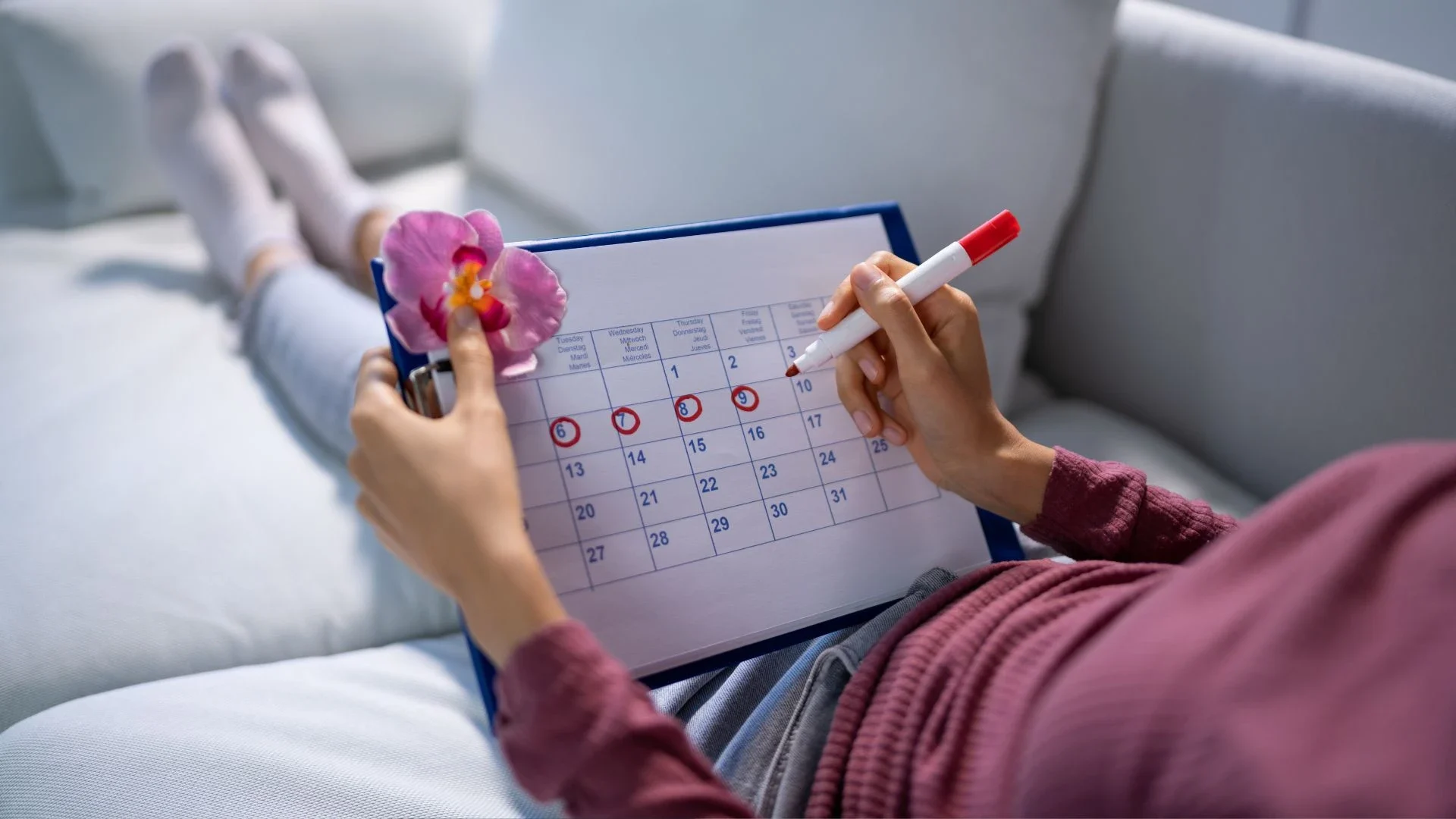
The female physique follows intricate biological rhythms, and grasping these cycles is vital for sustaining health, arranging for conception, and attaining overall wellness. Fertility fluctuates due to elements like strain, eating habits, hormonal shifts, or persistent ailments. When a woman is oblivious to how her cycle operates, it can engender apprehension, bewilderment, and doubt about her reproductive fitness. Extended lack of comprehension often results in mistaken beliefs about fertility and postponed appraisals with medical practitioners.
Where Ovulation Details Originate From
The body continuously sends indications – variations in core temperature, cervical fluid texture, bloating, vitality changes, and breast sensitivity. However, observing these indicators without a structured method can be demanding. Fertility is governed by hormones such as oestrogen, progesterone, LH, and FSH, which control egg ripening, ovulation, and the body’s readiness for pregnancy. Strain, sleep deficit, weight reduction, thyroid issues, and further aspects can upset this equilibrium, making cycles less forecastable.
Why Appreciating Fertile Windows is Important
Academics differentiate several periods of fertility:
– The initial period, when hormonal alterations commence;
– The prime period, when the prospect of conception is greatest;
– The subsequent period, moving into the luteal stage.
A woman’s cycle can be affected by variations like PMS, hormonal disproportions, vitamin shortages, or strain, all of which impact the length and predictability of these segments.
Hormonal Unevenness and Cycle Instability
Disruptions in ovarian or thyroid performance can modify ovulation patterns. Surplus progesterone may induce lethargy and fretfulness, whilst limited oestrogen levels might obscure fertility prompts. Frequently women surmise they are not ovulating when the genuine concern is the difficulty of monitoring it using standard approaches.
Strain, Way of Life, and Bodily Pursuits
Continuous strain affects the hypothalamic-pituitary assembly that governs the menstrual cycle. Physical inactivity can lessen hormone receptor responsiveness, whilst excessive exertion might lead to anovulation. Nourishment also plays a crucial function, with vitamin D, iron, magnesium, and B-complex vitamins substantially influencing hormonal equilibrium.
Slumber Disruptions and Their Function in Fertility
Subpar slumber hinders melatonin creation, which is fundamental for egg ripening and cycle governance. Women with slumber ailments such as insomnia or sleep apnea – or those working erratic shifts – often encounter ovulatory irregularities and cycle postponements.
Medical States Affecting Fertility
Ailments such as endometriosis, PCOS, adrenal malfunction, autoimmune ailments, and ongoing inflammation can adversely impact ovulation frequency and standard. In numerous instances, such troubles are solely pinpointed once a woman commences consistently observing her cycle.
The Instrument of the Future: Technology’s Part in Grasping Fertility
Traditional means furnish restricted evidence – singular temperature readings, test strips, or physical sensations. Nevertheless, contemporary apparatus furnishes clearer understandings into the menstrual cycle.
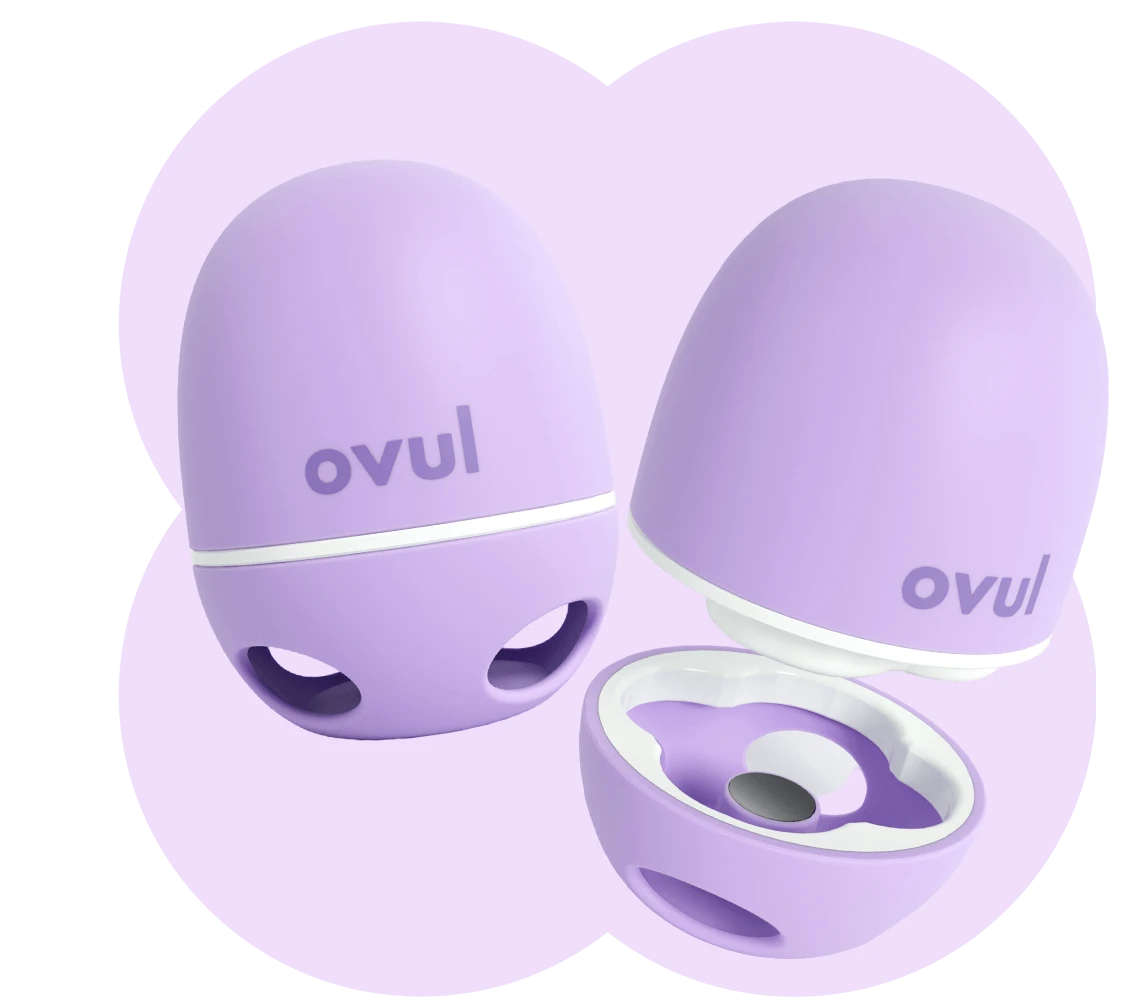
Enter the OVUL fertility tracker device – a compact instrument intended to assess hormonal indicators daily via saliva samples and construct a thorough outline of your fertility cycle. It pinpoints prime days, forecasts hormonal fluxes, and assists in clarifying erratic cycles. This allows females to enact informed modifications to their sleep habits, diet, fitness regimens, and style of living based on their distinctive physiology.
Authority Guidance
Consultants stress that regular cycle observation yields considerably more valuable perceptions than sporadic appraisals. To uphold a sound stasis: favour quality slumber, embrace a vitamin-rich diet, partake in measured physical pursuit, and evade self-prescribing. If cycle deviations continue across time, see a medical professional who may recommend hormone analyses, scans, or further explorations to ascertain the primary source.
