
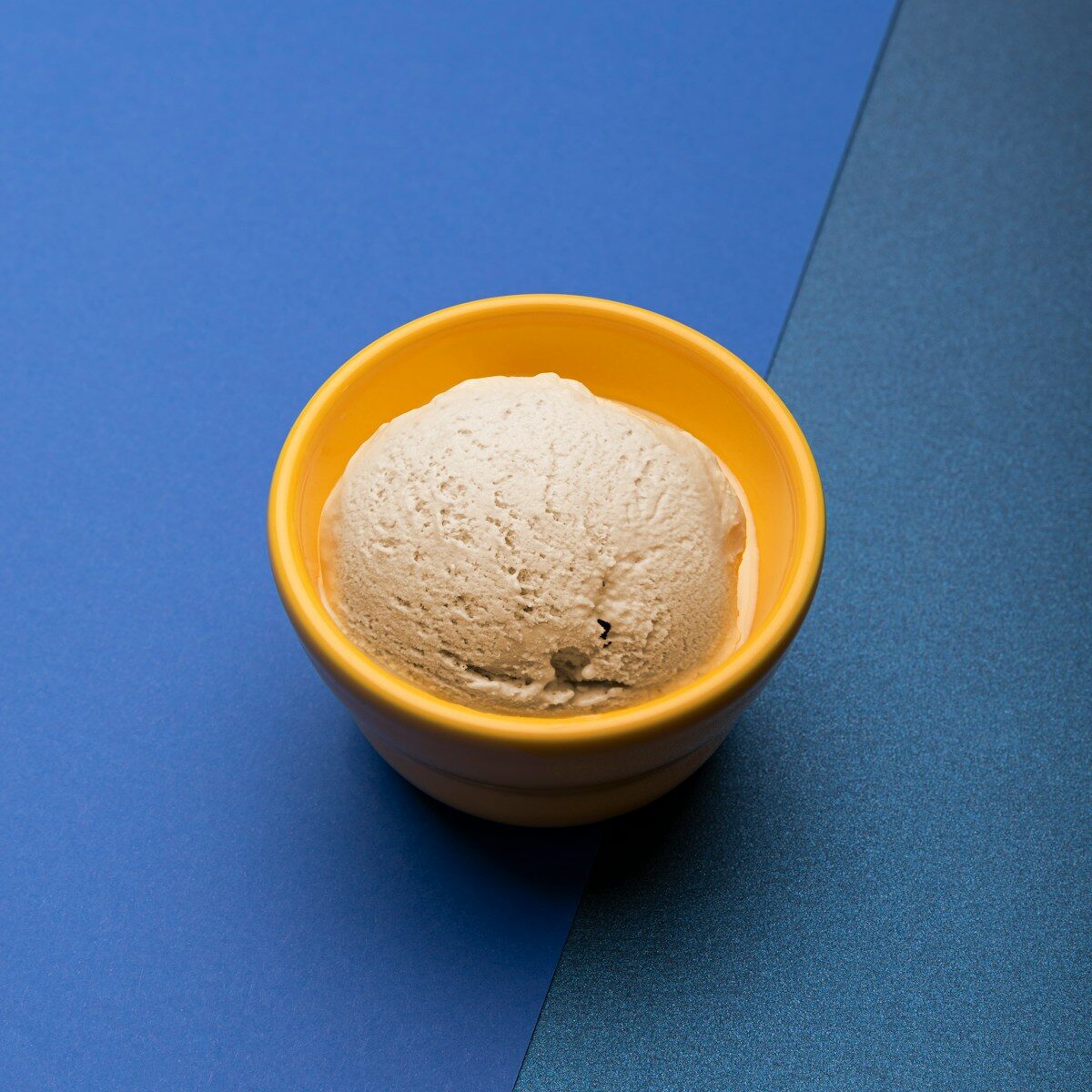
Salty ice cream is the trend that’s shaking up the dessert world, offering a unique twist on the traditional sweet treat. Discover why salt enhances flavor, explore unique combinations, and learn how to make this at home.
Ever thought about shaking up your dessert routine with a salty twist? Salty ice cream is changing the way we think about frozen treats. It’s not just a novelty; it’s a revelation in taste that combines sweet and salty into one delightful scoop. If you’re curious about this trend, you’re in the right place. Let’s dive into the world of salty ice cream and find out why it’s winning hearts.
Discovering the Salty Twist in Ice Cream
Salty ice cream might sound like an oxymoron, but for those who’ve tried it, it’s nothing short of a delightful surprise. The addition of salt to ice cream doesn’t just create a unique taste sensation; it elevates the flavors to a whole new level. Originally, salt was used in ice cream making as a freezing agent, but now, it’s gaining popularity as a flavor enhancer. This unexpected shift is catching the attention of both chefs and ice cream enthusiasts alike.
Historically, salt has been used in desserts, from salted caramel to chocolate with sea salt. However, salty ice cream takes this concept further by weaving salt directly into the creamy texture of the dessert. This isn’t about overpowering the senses; it’s about complementing the sweetness and adding depth. Salty ice cream is a testament to the culinary principle that opposites attract, leading to a harmonious balance of flavors.
On our journey to understand this trend, we found that the magic of salty ice cream lies in its complexity. The salt highlights the creaminess and sweetness, creating a more nuanced palate experience. If you’re intrigued by unusual flavors, salty ice cream is a must-try.
Why Salt Enhances Your Favorite Frozen Dessert
Salt has a remarkable ability to enhance flavors, and this is especially true for ice cream. It’s all about the science of taste perception. Salt doesn’t just make things taste salty; it suppresses bitterness and enhances sweetness, creating a richer and more rounded flavor profile. This is why salty ice cream can be so surprising – it amplifies the sweetness you love while adding an unexpected, savory twist.
Moreover, salt affects the texture of ice cream, making it creamier and more satisfying. This is due to the way salt impacts the freezing point of the ice cream mixture, allowing for a smoother texture. By subtly altering the physical properties, salt enhances the overall eating experience, making each spoonful more pleasurable.
For those tempted to try salty ice cream, it’s worth noting that different salts can create different flavor profiles. Sea salt, Himalayan salt, and even smoked salts can add unique nuances. This opens the door to creativity and experimentation, allowing you to tailor your salty ice cream to your personal taste preferences.
Unique Flavor Combos: Sweet and Salty Treats
The world of salty ice cream is a playground for adventurous palates. One of the most popular combinations is salted caramel ice cream, where the rich, buttery caramel is perfectly balanced by a hint of sea salt. This classic pairing has paved the way for more inventive creations, such as peanut butter and sea salt or chocolate with smoked salt.
In addition to these classics, fruit-flavored ice creams also benefit from a touch of salt. Strawberry with a pinch of Himalayan salt brings out the fruit’s natural sweetness, while mango with a sprinkle of sea salt creates a tropical delight. These combinations transform ordinary ice cream flavors into extraordinary experiences, where each bite offers a new taste adventure.
If you’re feeling particularly bold, try incorporating herbs or spices into your salty ice cream concoctions. Basil and lemon with sea salt, or rosemary with olive oil and smoked salt, can create sophisticated profiles that surprise and satisfy. These combinations take ice cream beyond dessert, inviting it into the realm of gourmet cuisine.

How to Enjoy Salty Ice Cream at Home
Making salty ice cream at home is easier than you might think and allows you to customize the flavors to your liking. Start with a basic ice cream base – vanilla works wonderfully. As you mix, add a pinch of your chosen salt. Taste as you go to ensure the salt enhances but doesn’t overwhelm the sweetness.
If you’re looking to experiment, consider adding mix-ins such as caramel swirls or chocolate chunks. These can be salted separately to ensure even distribution throughout the ice cream. Remember, the key is balance; too much salt can overpower the flavors, so it’s best to add a little at a time.
For those without an ice cream maker, no-churn recipes work well, too. Simply whip cream and fold it into sweetened condensed milk, adding your salt and any other flavors along the way. Freeze for a few hours, and enjoy your homemade salty ice cream. It’s a simple process that can yield extraordinary results, bringing the unexpected delight of salty ice cream to your home.
Salty ice cream is a delicious contradiction that turns the traditional idea of dessert on its head. It’s a reminder that sometimes the most unexpected combinations can lead to the most delightful discoveries. Whether you’re enjoying it at a gourmet ice cream parlor or crafting your own version at home, salty ice cream invites you to expand your flavor horizons. So why not grab a spoon and find out what all the fuss is about? You might just find your new favorite treat.
