
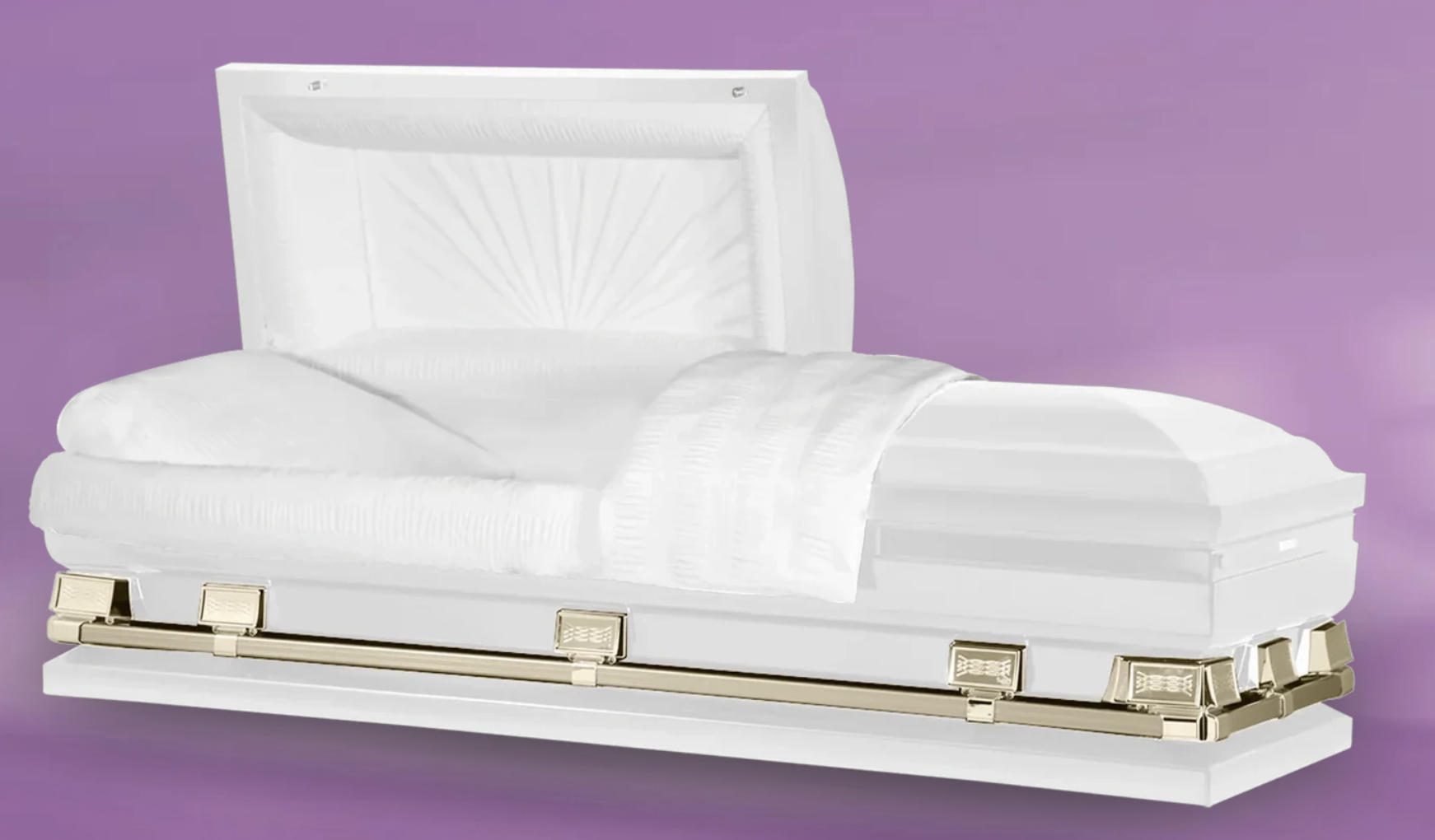
When families begin planning a funeral, one of the first and most emotionally difficult decisions involves selecting a casket. Many people have never purchased one before. Questions immediately arise:
- How much does a casket cost?
- Are caskets for sale online legitimate?
- What material should we choose?
- Is there a difference between a coffin and a casket?
- Are funeral homes the only place to buy one?
The truth is, most families enter this process without clear information. And during a time of grief, uncertainty can feel overwhelming.
This guide will walk you through everything you need to know about choosing a casket, understanding casket prices, comparing materials like steel and wood, and knowing your legal rights when purchasing.
Understanding What a Casket Is
A casket is a four-sided, rectangular burial container with a hinged lid. It differs from a coffin, which traditionally has six sides and a tapered shape.
In the United States, the term “casket” is far more common than “coffin,” although both are legally acceptable options.
If you’re comparing shapes and terminology, you can explore the difference between casket vs coffin in more detail through dedicated educational resources.
Are You Required to Buy a Casket from a Funeral Home?
No.
Under the Federal Trade Commission’s Funeral Rule, families have the legal right to purchase a casket from any provider they choose. Funeral homes must accept caskets purchased elsewhere and cannot charge a handling fee.
This means families are free to explore:
- Funeral home inventory
- Independent retailers
- Online caskets for sale
Understanding this right alone can significantly reduce pressure during the arrangement process.
Casket Prices: What Families Should Expect
One of the most common questions is:
How much does a casket cost?
The answer depends on several factors:
1. Material
2. Construction quality
3. Finish and design
4. Where you purchase it
Traditional funeral home casket prices often range between $2,000 and $10,000.
Online retailers frequently offer similar steel or wooden caskets at significantly lower price points due to direct-to-consumer models.
If you are researching transparent pricing options, reviewing reputable collections of caskets for sale can help you understand the broader market range.
What Impacts Casket Cost?
Steel Caskets
Steel caskets are measured in gauge thickness.
Lower gauge number = thicker steel.
- 20-gauge steel (standard)
- 18-gauge steel (heavier)
- Stainless steel options
- Copper or bronze (non-rusting metals)
Steel caskets are durable and widely selected.
Wooden Caskets
Wood options include:
- Oak
- Mahogany
- Walnut
- Poplar
- Pine
Solid hardwood typically costs more than veneer construction.
Some families prefer wood for its warmth and traditional appearance.
Design Features
Features that influence casket cost include:
- Gasket sealing systems
- Adjustable beds
- Interior fabric quality
- Decorative hardware
- Personalized panels
Do You Need an Expensive Casket?
This is one of the most misunderstood aspects of funeral planning.
No state law requires a specific type of casket for burial. Cemeteries may require a burial vault, but not a particular casket material.
Spending more does not necessarily change the burial outcome.
The choice should reflect:
- Personal values
- Budget
- Cultural traditions
- Emotional meaning
Not pressure.
Buying a Casket Online: Is It Safe?
Yes — when working with established providers.
Families today increasingly purchase online for:
- Transparent pricing
- Greater design selection
- No high-pressure sales environment
- Nationwide shipping coordination
When exploring reputable brands like Titan Casket, families often value:
- Clear pricing
- Direct-to-consumer delivery
- Coordination with funeral homes
- Educational support
Purchasing online does not mean sacrificing quality. It means gaining clarity.
Steel, Wood, or Marble Finish: Which Should You Choose?
Some families prioritize durability. Others prefer aesthetic warmth.
Choose Steel If:
- You prefer a polished, modern finish
- You want a wide range of colors
- You value structural strength
Choose Solid Wood If:
- You prefer natural grain and warmth
- Cultural traditions lean toward wood
- You want a more organic presentation
Marble or Specialty Finishes
Some caskets feature marble-style or textured finishes that create an elegant appearance while remaining steel-constructed underneath.
There is no “correct” choice. Only personal preference.
Emotional Considerations When Choosing
Many families worry they will choose “wrong.”
It is important to remember:
The casket is a presentation choice.
It is not a measure of love.
Whether you select a simple steel casket or a solid walnut hardwood design, what matters most is honoring your loved one in a way that feels right to you.
Common Myths About Caskets
Myth 1: Funeral Homes Won’t Accept Online Purchases
They must accept them under federal law.
Myth 2: More Expensive Means More Respect
Respect comes from ceremony, memory, and love — not price.
Myth 3: You Need Special Measurements
Most adults fit standard size caskets comfortably. Oversized options are available when needed.
Planning Ahead vs At-Need Purchases
Some families pre-plan and purchase in advance. Others make decisions within days of a loss.
Pre-planning allows:
- Price comparison
- No time pressure
- Clear communication of wishes
At-need purchases require faster coordination — which is why streamlined delivery and direct funeral home shipping matters.
When to Consider a Coffin Instead
In certain traditions or cultural contexts, a coffin may be preferred over a rectangular casket.
Coffins typically have:
- Six sides
- Tapered shape
- Narrower shoulder and foot width
If you’re comparing shapes and traditions, reviewing educational guides on coffin vs casket can clarify which better aligns with your needs.
You can also explore available coffins for sale if that design feels more appropriate.
Budget Planning Without Regret
Funeral expenses can accumulate quickly:
- Service fees
- Cemetery fees
- Burial vault
- Transportation
- Flowers
- Memorial printing
Understanding casket cost in advance helps families stay financially stable while still creating a meaningful tribute.
Transparent pricing empowers better decisions.
Frequently Asked Questions
How much does a casket cost on average?
Casket prices range widely. Online retailers may offer options under $1,500, while funeral home prices often exceed $3,000 depending on material and markup.
Is it legal to buy a casket online?
Yes. Federal law protects your right to purchase from any vendor.
What size casket do most adults need?
Most adults fit a standard size casket. Oversized options are available if needed.
What’s the difference between a coffin and a casket?
A coffin has six sides and tapers at the head and feet. A casket is rectangular with four sides.
Does a more expensive casket preserve the body longer?
No. Preservation depends on many environmental factors and embalming practices, not solely on casket price.
Final Thoughts: Making a Confident Decision
Choosing a casket is not about spending the most. It is about:
- Understanding your rights
- Comparing transparent pricing
- Choosing materials that align with your values
- Avoiding unnecessary pressure
Families deserve clarity, compassion, and control during one of life’s most difficult moments.
Whether exploring traditional funeral home inventory or reviewing online collections of caskets for sale, informed decisions create peace of mind.
And in moments of loss, peace of mind matters deeply.
