
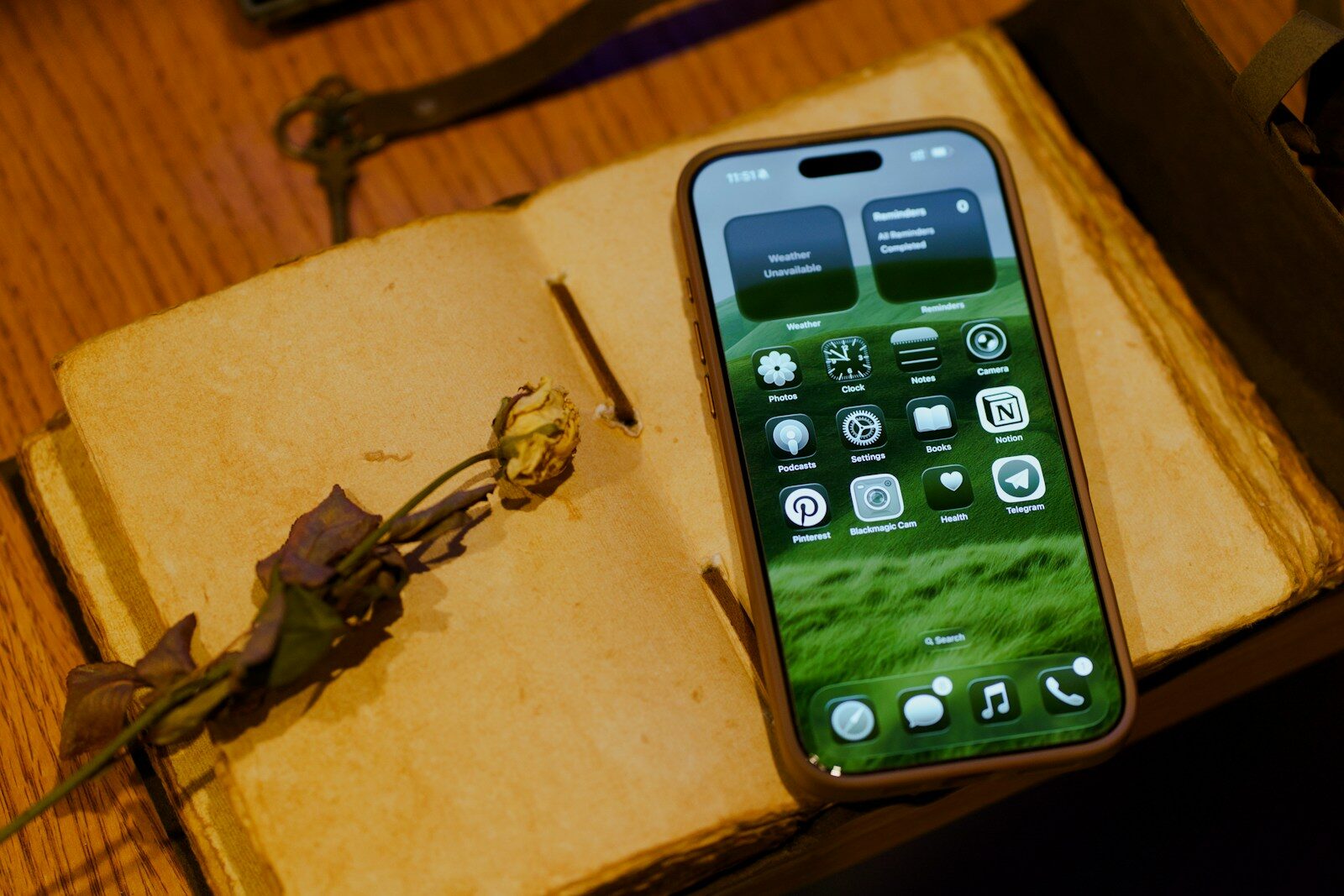
iOS 26 is here, pushing the boundaries of mobile technology with revolutionary advancements. From its user interface to privacy enhancements, seamless smart home integration, and breakthrough AR capabilities, Apple’s latest OS redefines what users can expect from their devices.
iOS 26 marks a significant leap forward in the evolution of Apple’s operating systems, building on its rich history of innovation. With a focus on user experience and technological advancement, this latest iteration promises to set new standards across the board. In this article, we will delve into the groundbreaking features of iOS 26, exploring its revamped user interface, enhanced security measures, how it integrates with smart devices, and the impressive augmented reality capabilities that set it apart.
Revolutionary User Interface Enhancements in iOS 26
The launch of iOS 26 brings a revolutionary overhaul to the user interface, presenting a more intuitive and aesthetically pleasing experience. Apple has redesigned the home screen with a dynamic, customizable grid layout that allows users to personalize their device like never before. This flexibility not only enhances usability but also caters to individual preferences, making every device unique. The new interface supports interactive widgets, offering real-time updates and direct actions without needing to open apps. This streamlines daily tasks, providing convenience at a glance.
Enhancements to the control center have also been made, introducing a modular system that users can tailor to their needs. With the ability to add, remove, and arrange controls, the system empowers users to access their most-used settings and apps quickly. iOS 26 expands on this by integrating haptic feedback, offering a tactile experience that aligns with the visual and functional improvements. The result is a control center that feels more connected and responsive, setting a new standard for mobile operating systems.
Visual aesthetics have been given a significant boost through advanced, adaptive themes that respond to ambient lighting conditions and user activities. These themes reduce eye strain by automatically adjusting contrast and color balance. Additionally, the introduction of animated wallpapers and icons adds an element of liveliness and modernity, creating an engaging and immersive experience. The culmination of these UI enhancements propels iOS 26 to the forefront of mobile operating system design, reflecting Apple’s commitment to innovation and user satisfaction. For more on Apple’s design philosophy, check out our in-depth article on UI evolution.
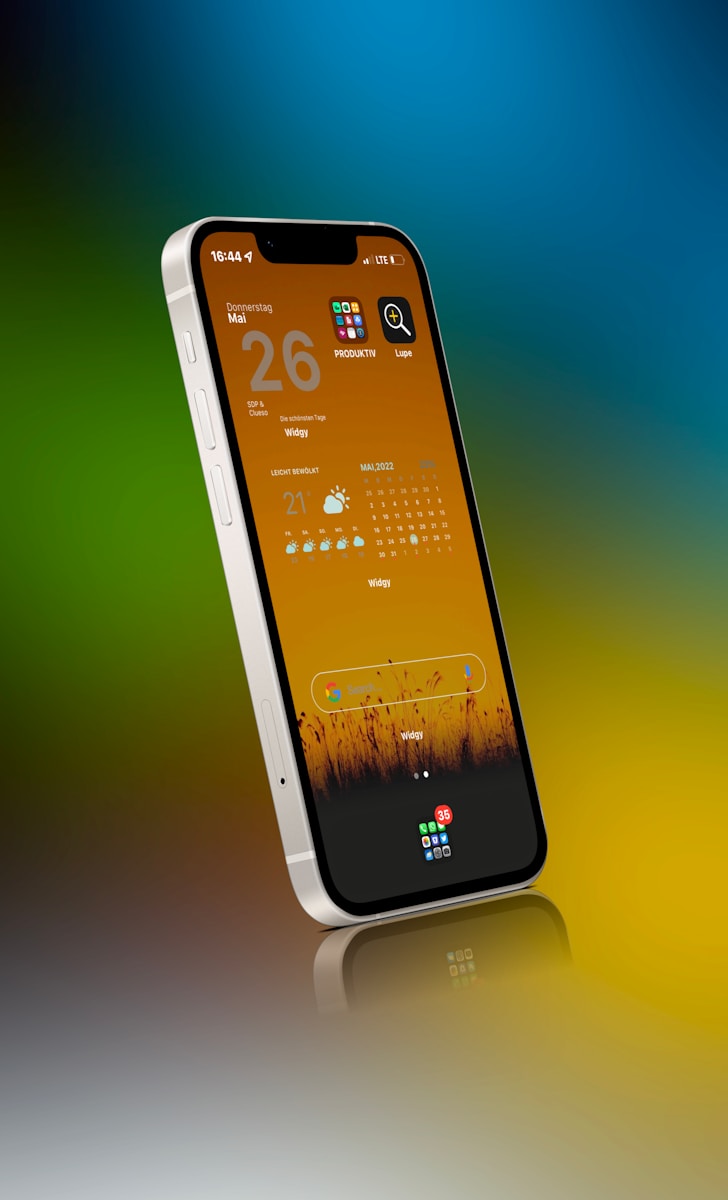
Advanced Privacy and Security Features Unveiled
In an era where privacy and security are paramount, iOS 26 steps up with advanced features designed to protect users’ data. Apple has introduced a new encrypted communication protocol, ensuring that all data exchanges, whether through messaging or email, are secure and private. This protocol uses end-to-end encryption, making it nearly impossible for unauthorized entities to intercept or decipher information. With the rising threats in the digital landscape, this advancement offers peace of mind to users who prioritize security.
The operating system also introduces a more robust Privacy Dashboard, giving users comprehensive insight into how apps access their data. This feature provides detailed information on app permissions, data usage, and potential privacy risks, empowering users to make informed decisions. iOS 26 further enhances app privacy by implementing a new permission system that requires explicit user consent for data access, significantly reducing unauthorized data collection.
Biometric security has been elevated with the introduction of Multi-Factor Face ID, combining facial recognition with other biometric data such as voice recognition. This not only increases security but also adds a layer of convenience, allowing for seamless authentication in various scenarios. For businesses and individuals alike, these security enhancements underscore Apple’s commitment to safeguarding user data. To explore more about Apple’s security initiatives, visit our article on Apple’s privacy innovations.
Seamless Integration with Smart Home Devices
iOS 26 takes smart home integration to the next level, creating a cohesive ecosystem that connects all compatible devices. The latest OS enhances the Home app with improved automation features, allowing users to configure and control their smart devices with ease. Through the use of advanced algorithms, the system can predict user preferences and adjust settings accordingly, offering a truly personalized smart home experience.
Apple has expanded its HomeKit framework, providing developers with more tools to innovate and create new smart home solutions. With support for a broader range of devices, including lights, locks, cameras, and thermostats, iOS 26 ensures compatibility and ease of use. The improved integration with Siri allows users to control their devices through voice commands, making interaction seamless and intuitive. This hands-free control extends to new scenarios, such as adaptive lighting that adjusts based on time of day or room occupancy.
A standout feature in iOS 26 is the enhanced interoperability with third-party smart home platforms. Users can now manage devices from different manufacturers through a unified interface, eliminating the need for multiple apps. This development simplifies the smart home setup and enhances the user experience, reflecting Apple’s vision of a connected, intuitive living space. For more insights into smart home technology, explore our comprehensive guide on smart home integration.
Cutting-Edge Augmented Reality Capabilities
The augmented reality capabilities in iOS 26 are nothing short of groundbreaking, bringing immersive experiences to users’ fingertips. Apple’s ARKit has been updated to support more realistic and interactive environments, enabling developers to create sophisticated applications that blur the line between the digital and physical worlds. With improved motion tracking and depth perception, augmented reality apps are now more responsive and lifelike.
A noteworthy addition is the integration of LiDAR technology, which enhances spatial awareness and object detection. This allows for accurate placement and interaction of virtual objects within real-world settings, opening up possibilities in gaming, education, and retail. Users can visualize furniture in their homes before purchasing or engage in interactive learning experiences that bring new dimensions to traditional education methods.
iOS 26 also introduces AR sharing, allowing users to collaborate in augmented spaces through shared experiences. This feature fosters creativity and innovation, as users can co-create and interact within the same AR environment, regardless of their physical location. The advancements in AR demonstrate Apple’s dedication to pioneering new frontiers in technology, setting the stage for future innovations that will continue to enrich users’ lives.
iOS 26 reaffirms Apple’s position as a leader in mobile technology, offering features that are both innovative and user-centric. By enhancing the user interface, bolstering privacy and security, integrating smart home capabilities, and advancing augmented reality, iOS 26 sets a new benchmark for operating systems. As technology continues to evolve, Apple’s commitment to quality and innovation ensures that users remain at the heart of their developments. Whether you’re an existing user or considering making the switch, iOS 26 promises a transformative experience that aligns with modern needs and desires.
