
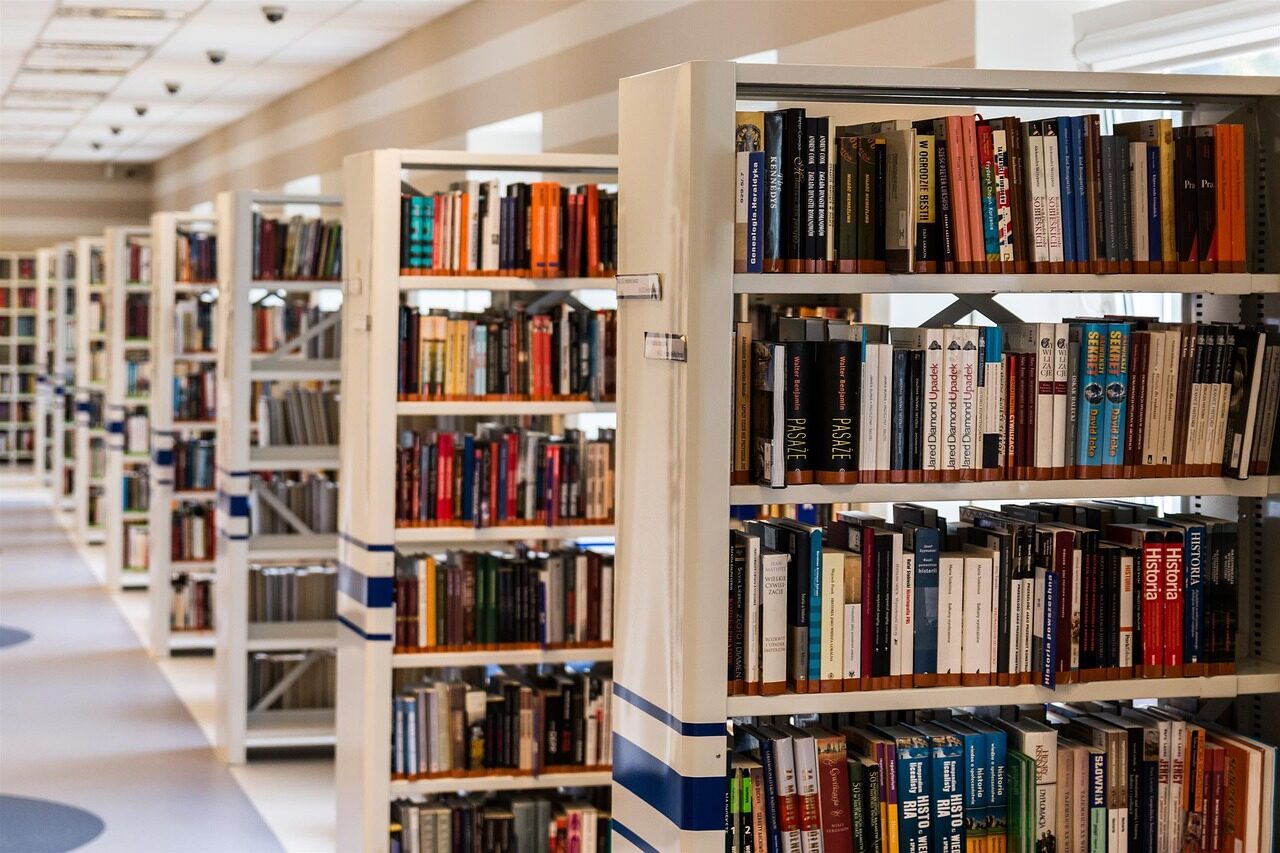
Shifting from Shelves to Servers
Libraries were once quiet places filled with rows of books and wooden tables. Now they are transforming into living digital organisms. The scent of old pages has been replaced by the glow of screens. This shift is not about replacing the past but about expanding the present. Digital libraries open new paths for people in every corner of the world—no library card needed.
The charm of online libraries rests in their reach. With Z-library exploring vast learning materials becomes effortless. What once took days through interlibrary loans now happens in seconds. This change is not just practical—it’s freeing. Knowledge no longer sits behind walls. It moves with people across borders and time zones.
Libraries Without Borders
No matter the country or income level access to knowledge should never depend on geography. For years physical libraries could only serve those nearby. That barrier has faded. Digital access turns any device into a gateway for discovery. A student in a remote town can now browse rare philosophy texts. A writer on a train can reference a 19th-century manuscript.
This expansion is not just theoretical. One online source Wikipedia shows what is possible when knowledge is shared rather than guarded. These digital hubs are more than file repositories. They are spaces where curiosity grows without waiting in line.
What Modern Digital Libraries Do Better
Not every book needs to sit on a shelf to be remembered. Modern digital libraries make reading and research faster and more flexible. Their advantages are clear as day. They save space cut costs and allow new ideas to travel faster than mail ever could.
Here’s where digital libraries shine brightest:
-
Real-time availability
Forget due dates and late fees. Digital collections are always on. A medical student can pull up a reference at midnight without leaving the dorm. Constant availability helps build new learning habits and eliminates the friction of old library routines.
-
Diverse formats for every need
PDFs EPUBs audiobooks and scanned manuscripts—digital libraries cater to different needs and preferences. A visually impaired reader can listen to an audiobook while a researcher dives deep into a scanned first edition. No one gets left behind.
-
Search that actually works
No more flipping through card catalogs. Search functions in digital libraries can pinpoint exact phrases inside old texts. Want to find a forgotten quote from “The Brothers Karamazov”? It takes seconds. That precision makes research less frustrating and more rewarding.
While these features may sound technical they quietly improve everyday use. They make reading easier and research more productive. And they give a second life to books that might otherwise sit untouched in archives.
Preserving the Soul of the Library
Digital doesn’t mean soulless. A library’s spirit has always been about access reflection and quiet learning. That spirit lives on even when the building is gone. What changes is the shape of the experience.
A phone becomes a reading nook. A laptop becomes a study table. Readers still find inspiration in the quiet click of a page turned by a fingertip. It’s not about losing tradition—it’s about letting it breathe in new ways. And the more people who can access that space the stronger it becomes.
The future of libraries is not on paper. It’s in pixels and participation. It’s global and grounded all at once.
