

The global photo editing software market reaches USD 1.5 billion by 2031, yet most fashion studios still struggle with outdated workflows that drain profits and frustrate clients.
Fashion photography faces a revolution. AI editing tools deliver concrete business results while traditional studios lose ground to competitors embracing intelligent automation. The numbers don’t lie—studios implementing AI report 70% faster turnaround times and 80% cost reductions in post-production.
This transformation affects every aspect of studio operations. From automated background removal to intelligent batch processing, Ai software for photography repetitive tasks that previously consumed hours of manual labor. Studios now focus on creative direction while AI manages technical execution.
The shift creates new opportunities for professional photographers and product photography studios alike. Small operations compete directly with established brands. Large studios push creative boundaries further than ever imagined.
How AI Became Essential for Fashion Photo Editing
Fashion photography evolved through distinct phases. Each transition changed how studios approach creative and business processes. Today’s AI revolution represents the most significant shift since digital photography emerged.
From Manual Craft to Intelligent Systems
Fashion retouching started as pure artistry. Skilled retouchers spent hours with airbrushes and hand-painting techniques. Results varied dramatically based on individual expertise. One artist delivered stunning work while another struggled with consistency.
Adobe Photoshop’s 1990 launch marked the first major shift toward standardization. Digital workflows introduced non-destructive editing and improved precision. Yet these tools still demanded extensive technical knowledge and significant time investment.
AI systems analyze thousands of reference images automatically. They perform edits that previously required hours of manual work. These tools identify optimal shots from entire photo sessions within seconds. They handle everything from basic corrections to creative enhancements.
The statistics reveal the scope of change. Between 2022 and 2023, over 15 billion images were created using text-to-image algorithms. This matches what human photographers accomplished over 150 years.
What Drives Studio Adoption
Fashion studios embrace AI tools for reasons that directly impact profitability and creative capabilities:
Workflow Focus: AI handles repetitive tasks like background removal and color correction. Photographers concentrate on creative direction rather than technical execution.
Access Expansion: Smaller brands achieve high-end fashion photography results without massive budgets. Product photography services become accessible to startups and emerging brands.
Creative Freedom: Automatic technical processing enables photographers to explore ambitious concepts. Creative vision takes priority over technical limitations.
Inclusive Representation: Studios showcase products across diverse body types and skin tones. This happens without hiring multiple models, making inclusivity achievable for budget-conscious operations.
AI-powered styling tools suggest wardrobe choices, accessories, and makeup looks. They streamline photoshoot preparation from concept to completion. Complex creative visions become accessible to studios that previously couldn’t afford such ambitious projects.
Early concerns about AI replacing human talent proved unfounded. London model Alexsandrah works alongside her AI-generated counterpart. She earns compensation whenever her digital twin appears in campaigns. This partnership demonstrates AI’s role as creative amplifier rather than replacement.
Studios maintain core creative teams while using AI to enhance productivity. This approach treats AI as collaborative partner, elevating both efficiency and creative impact.
Essential AI Fashion Editing Tools Driving Studio Performance in 2025
Fashion studios require specialized AI solutions addressing specific workflow challenges. These tools deliver measurable improvements in efficiency, consistency, and creative output across different aspects of fashion photography.
1. SellerPic – The Ultimate AI Fashion Photography Solution
SellerPic emerges as the revolutionizing fashion studios in 2025. This comprehensive platform combines multiple AI capabilities that specifically address fashion photography challenges. Studios worldwide choose SellerPic for its unmatched versatility and professional results.
Swap Fashion Models Instantly

SellerPic’s revolutionary model swapping feature transforms how fashion brands utilize ai fashion product photography for product showcasing. The AI technology seamlessly places clothing items on different models without traditional photoshoots. This capability proves invaluable for:
- Diverse Representation: Showcase products on models of different ethnicities, body types, and ages instantly
- Cost Efficiency: Eliminate expenses for multiple model bookings and extended studio sessions
- Market Testing: Test product appeal across different demographics before major campaigns
- Seasonal Adaptations: Update model appearances to match seasonal marketing themes
- Fashion brands report 85% cost savings when using SellerPic’s model swap feature compared to traditional reshoots. The AI maintains perfect lighting consistency and fabric texture authenticity across all model variations.
Product-in-Hand Visualization
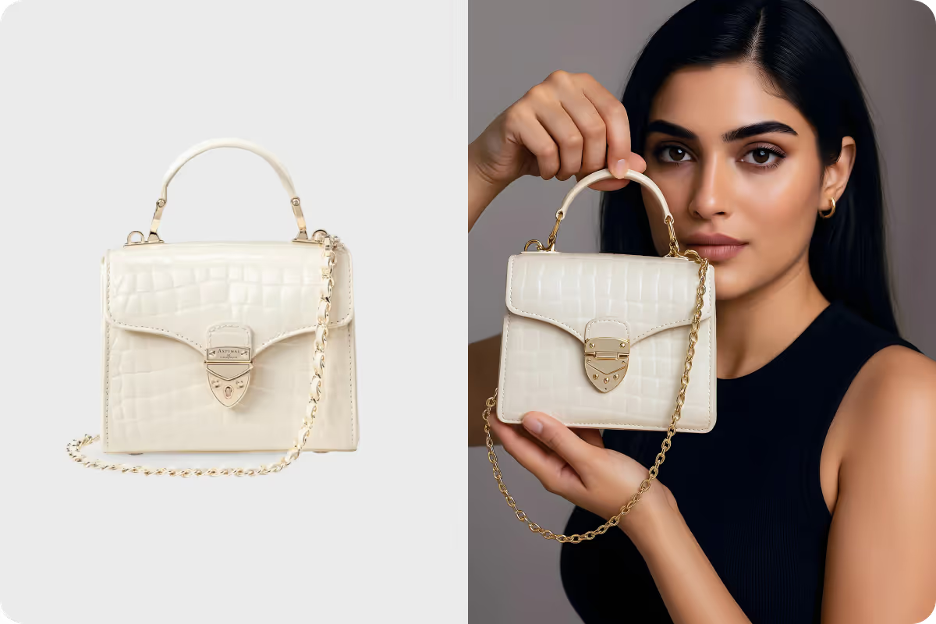
SellerPic’s product-in-hand feature creates natural, lifestyle imagery that drives customer engagement. The AI intelligently positions accessories, jewelry, and small fashion items in realistic hand poses. This technology addresses the growing demand for authentic product interaction imagery.
Key Benefits:
- Authentic Positioning: AI analyzes hand anatomy to place products naturally
- Lighting Consistency: Maintains professional lighting across hand and product
- Scale Accuracy: Ensures products appear in correct proportions relative to hands
- Background Integration: Seamlessly blends hand-held products with any background
Jewelry photography studios particularly benefit from this feature. SellerPic creates stunning hand-model shots without hiring professional hand models or complex lighting setups.
Image-to-Video Transformation
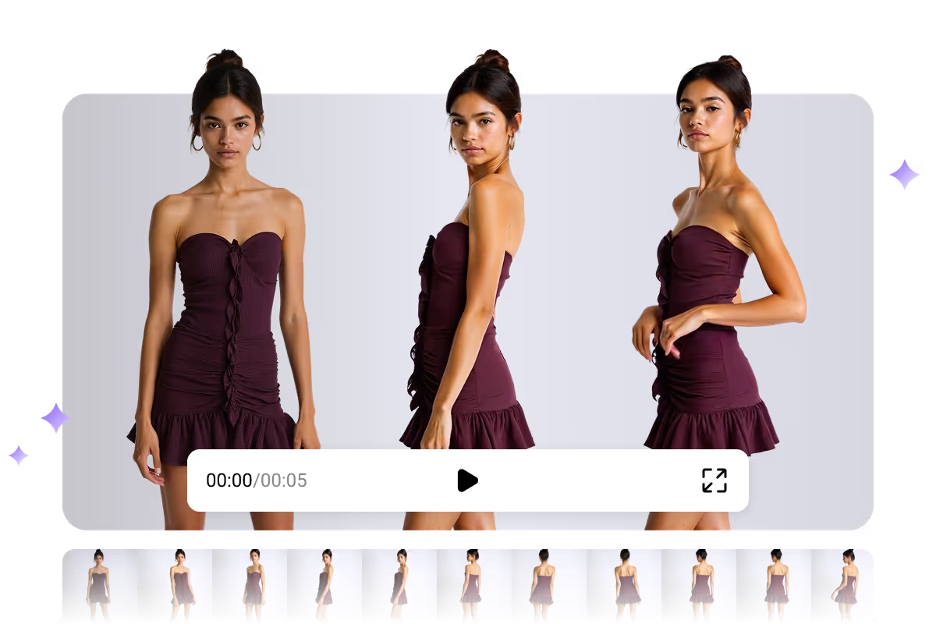
SellerPic’s cutting-edge ai image-to-video technology breathes life into static fashion photography. The AI creates smooth, professional videos from single product images. This feature transforms how fashion brands approach social media marketing and e-commerce presentations.
Video Creation Capabilities:
- 360-Degree Product Rotation: Creates spinning product videos from single angles
- Model Animation: Adds subtle movements to fashion model photography
- Fabric Flow Simulation: Generates realistic fabric movement in garment videos
- Background Motion: Adds dynamic backgrounds to static product shots
Fashion studios using SellerPic’s video feature report 3x higher engagement rates on social media platforms. The technology eliminates expensive video production costs while delivering professional-quality content.
Why SellerPic Leads the Market
Comprehensive Solution: Unlike competitors focusing on single features, SellerPic provides complete fashion photography workflow solutions. Studios handle everything from basic editing to advanced video creation within one platform.
Fashion-Specific AI: The platform’s algorithms understand fashion industry requirements. They preserve fabric textures, maintain color accuracy, and handle complex garment details that general AI tools often miss.
Batch Processing Power: SellerPic processes hundreds of images simultaneously while maintaining consistency. Product photography studios complete large e-commerce catalogs in hours rather than days.
User-Friendly Interface: The intuitive design allows both technical experts and creative professionals to achieve professional results without extensive training.
2. Adobe Sensei for Fashion Retouching
Adobe Sensei handles sophisticated retouching tasks traditionally demanding hours of manual work. The “Select People” feature automatically generates precise masks for portrait subjects. This enables targeted edits to clothing and facial details with minimal effort.
Fashion editors rely on adaptive presets like “Enhance Clothing.” These automatically adjust contrast, saturation, and texture to highlight garment details. The advanced Denoise feature removes digital noise while preserving essential details—crucial for low-light fashion shoots and evening wear photography.
3. Luminar Neo for Creative Fashion Effects
Luminar Neo provides creative control through AI-powered styling tools enhancing editorial fashion photography. The platform includes over sixty specialized presets. “60’s Black and White” creates classic editorial looks while “Portrait Glamor” produces ethereal wedding fashion aesthetics.
Relight AI intelligently reshapes lighting around subjects, making outfits prominent even in challenging lighting conditions. The Dramatic tool generates grittier, urban fashion effects. The Matte Effect produces vintage aesthetics aligning with current fashion editorial trends.
4. Spyne for E-commerce Fashion Shoots
Spyne addresses e-commerce photography challenges through AI-guided shooting and automatic processing. The platform enables professional product photography from any location while performing automatic validation checks including background removal, blur detection, and precise cropping.
Fashion retailers achieve consistent, marketplace-optimized images suitable for Amazon, Walmart, and Myntra. The guided photoshoot feature provides step-by-step instructions for lighting setup, model positioning, and camera settings specifically calibrated for fashion product photography.
5. Evoto AI for Batch Portrait Editing
High-volume fashion campaigns depend on Evoto AI’s batch processing capabilities maintaining consistency across hundreds of images. The software identifies similar characteristics between photos and applies uniform edits simultaneously.
Studio photographers utilize the tethering feature for real-time adjustments, displaying Raw versus edited comparisons instantly during shoots. Advanced face contouring tools provide precise control over facial features, adjusting elements from eyebrows to jawline with professional accuracy.
6. Topaz Labs for Upscale and Clarity
Topaz Labs delivers maximum image quality through AI-powered enhancement tools essential for high-end fashion work. Sharpen AI recovers images from missed focus, motion blur, and lens softness while maintaining natural skin texture—critical for luxury fashion photography.
The upscaling technology, trained on millions of images, intelligently restores detail when enlarging photos up to 8× original size. Professional photographer Anna Dabrowska credits Sharpen AI with salvaging an entire Cape Town fashion shoot compromised by lens calibration issues.
7. Fotor for Quick Social Media Edits
Fotor streamlines social media content creation through intuitive drag-and-drop editing interfaces that marketing teams master quickly. The AI outfit generator creates clothing variations from text prompts, allowing brands to visualize design concepts rapidly.
One-click background removal isolates products efficiently while automated resizing adapts graphics for different social platforms instantly. Fashion studios value the platform’s ability to maintain brand consistency across multiple social media formats with single-click processing.
The SellerPic Advantage in Fashion Photography
SellerPic’s comprehensive approach sets it apart from competitors in the crowded AI photo editing market. While other tools focus on individual features, SellerPic provides complete workflow solutions specifically designed for fashion industry needs.
The platform’s model swapping technology eliminates traditional barriers to inclusive marketing. Fashion brands showcase products across diverse demographics without additional photoshoot costs. The product-in-hand feature creates authentic lifestyle imagery that drives customer engagement and conversion rates.
SellerPic’s image-to-video transformation capability addresses the growing demand for dynamic content across social media platforms. Fashion studios create professional video content from existing photography assets, maximizing return on investment while meeting modern marketing requirements.
Professional photographers and product photography services choosing SellerPic gain competitive advantages through faster turnaround times, reduced production costs, and enhanced creative capabilities. The platform transforms how fashion studios approach client projects while maintaining the highest quality standards.
The future of fashion photography belongs to studios embracing comprehensive AI solutions like SellerPic. These tools don’t replace human creativity—they amplify it, enabling photographers to focus on artistic vision while AI handles technical execution with unprecedented precision and efficiency.
Studio Workflows Deliver Faster Results with AI Tools
Studio operations have fundamentally changed since AI fashion editing entered daily workflows. These tools impact every aspect of production—from initial image processing to final client delivery. They create measurable improvements in efficiency and client satisfaction.
Faster Turnaround Times
Time compression represents the most visible change AI brings to fashion studios. A typical 2-3 hour fashion shoot traditionally required 2-3 days of editing. Now it processes almost instantly with AI photography software.
Tools like Aftershoot handle 1,000 edited images in under one minute. They deliver finished campaigns the same day rather than the following week. Deadlines become achievable again. Studios complete rush orders that would have been impossible under traditional workflows.
Batch Processing and Automation
Maintaining consistency across large photo sets was labor-intensive before AI solutions arrived. Batch editing now applies uniform adjustments across multiple images simultaneously. Studios benefit from:
- Automated background removal across hundreds of photos with single clicks
- Consistent color correction maintaining brand identity
- Intelligent cropping preserving subject’s best feature
- Synchronized preset application ensuring visual continuity
Fashion photographers process high-volume projects in fractions of normal time. They ensure professional consistency throughout. Brands maintain visual identity across every image without manual intervention.
Reducing Dependency on Large Editing Teams
AI product photography tools substantially decrease staffing requirements while maintaining quality standards. Studios save both time and resources previously allocated to large editing teams. The technology delivers results comparable to professional retouchers without associated personnel costs.
This eliminates human error, reduces expenses, and minimizes workflow disruptions. Overhead costs drop significantly while output quality remains consistently high. Small product photography studios compete effectively with larger operations.
Streamlining Client Feedback Loops
Client experience improves through faster delivery cycles and interactive approval processes. AI-powered tools enable clients to participate remotely in selection processes. Faster turnaround leads directly to increased satisfaction and repeat business.
Professional photographers deliver results when promised. Clients receive finished images on schedule every time. This reliability builds trust and generates referrals consistently.
Lookbook Production: 3x Faster Delivery Times
Fashion brands using AI-generated imagery complete lookbooks within minutes instead of waiting days or weeks. One athleisure client accelerated their design approval process through AI-driven platforms like VibeIQ. This enabled seamless collaboration between distributed teams.
Genera’s Product Display Page Creator delivers particularly striking results. Creating single product display pages with customized AI fashion models produces four ready-to-use images in under 30 minutes. Traditional shoots require half a day for comparable results.
AI for product photography transforms timeline expectations. Brands launch campaigns faster and respond to market trends immediately. This agility provides competitive advantages in fast-moving fashion markets.
Post-Production Savings: The Numbers Speak Clearly
The financial impact of AI adoption delivers substantial returns across multiple cost categories:
Cost Reduction: AI-generated imagery significantly reduces costs compared to traditional photo shoots. This accounts for photographer fees, models, studio rental, and post-production expenses combined.
Profit Projection: McKinsey analysis projects generative AI could add between $150 billion and $275 billion to apparel, fashion, and luxury sector operating profits within the next three to five years.
Production Savings: AI fashion lookbooks cut production costs by approximately 80% while maintaining professional quality standards.
These savings enable studios to invest in better equipment, expand service offerings, or reduce client pricing. The competitive advantages compound over time as AI capabilities continue improving.
Serious Challenges Require Careful Navigation
Fashion studios implementing AI tools face legitimate ethical concerns demanding immediate attention. These challenges directly impact client relationships and brand integrity. They require proactive solutions rather than reactive damage control.
AI Beauty Standards Create Harmful Bias
AI beauty filters consistently perpetuate damaging biases. They automatically lighten skin tones during “beautification” to align with Eurocentric beauty standards. The data reveals troubling patterns—AI systems trained on billions of images repeatedly identified “homemakers” as women and “criminals” as Black men.
Most concerning for fashion: four in ten Canadian women would sacrifice at least one year of their lives to achieve beauty ideals they see online. This occurs even knowing these images are AI-generated. Studios must actively counteract these biases in their AI implementations.
Authenticity Questions Threaten Consumer Trust
AI-generated fashion imagery on social media increasingly blurs lines between reality and artificial enhancement. Consumers remain uncertain about what they’re seeing. This creates real business risks—74% of respondents in an Instagram poll voted that brands should be banned from using AI-generated models.
Consumer trust becomes the casualty when authenticity disappears from fashion imagery. Studios must balance AI efficiency with transparency requirements. Clear disclosure policies protect both brands and consumers.
Copyright Law Remains Unsettled
Copyright protection requires human authorship under current law. Courts consistently reject protection for works created without human input. However, fashion work with sufficient human creative direction using AI as tools may retain copyright protection.
Studios need clear policies about creative ownership before disputes arise. AI software for photography creates collaborative works requiring careful documentation of human creative contributions.
Creative Control Must Stay With Humans
AI amplifies human creativity rather than replacing it entirely. Fashion professionals must maintain creative oversight throughout editing processes. This protects both artistic vision and intellectual property rights.
The technology serves creativity—creativity doesn’t serve the technology. Best AI photography software succeeds when it enhances human decision-making rather than replacing it completely.
Your Success Drives the Future of Fashion Photography
AI fashion editing has reached a defining moment in 2025. Small studios now compete directly with established brands while industry leaders push creative boundaries further than ever imagined. Speed matters, but this shift represents something deeper—a fundamental change in how fashion photography serves clients and communities.
The challenges accompanying this progress require acknowledgment. Beauty standards encoded in AI systems can perpetuate harmful biases. Hyper-realistic edits blur lines between authentic imagery and digital creation. Consumers increasingly demand transparency about AI-generated fashion content.
Fashion photography’s future includes AI as permanent partner, not temporary trend. Studios that master the balance between technological efficiency and creative authenticity will lead this evolution. The feared replacement of human photographers hasn’t materialized—instead, powerful collaboration emerges where AI handles technical precision while human creativity guides artistic direction.
SellerPic provides the perfect bridge between AI efficiency and creative control. The platform’s intuitive interface allows photographers to maintain artistic oversight while leveraging powerful automation. Studios using SellerPic report improved client satisfaction and faster project completion without sacrificing creative vision.
FAQs
Q1. What makes SellerPic the best AI tool for fashion photography in 2025?
SellerPic combines model swapping, product-in-hand visualization, and image-to-video transformation in one platform. It delivers 85% cost savings and preserves fabric textures better than competitors.
Q2. How does AI model swapping work in fashion photography?
AI analyzes garment fit, lighting, and body proportions to place clothing on different models digitally. It maintains realistic fabric texture and lighting consistency without requiring new photoshoots.
Q3. Can AI tools replace professional fashion photographers entirely?
No. AI handles technical tasks while photographers focus on creative direction. Studios maintain creative teams and use AI to enhance productivity, not replace human artistic vision.
Q4. What are the main cost benefits of using AI in fashion photography studios?
Studios save 80% on post-production costs and 85% on model swap expenses. AI eliminates photographer fees, model bookings, and studio rentals for many projects.
Q5. How do fashion studios address ethical concerns when using AI editing tools?
Studios implement transparent disclosure policies, maintain human creative oversight, counteract beauty bias through diverse representation, and document human contributions for copyright protection.
