
Today, video games are a huge industry covering a wide range of genres and approaches. However, there is a significant difference between regular entertainment games and esports disciplines. While most casual projects are designed for light and relaxed gaming sessions, competitive video games are dynamic and require good mental skills. They must be balanced, have a lot of game mechanics and robust servers to withstand millions of players and viewers. In this article, we will explain why esports games are designed differently from casual games.
Competitive Balance as a Core Foundation
Esports games are usually based on the right balance. As you can read on EGW news and other platforms, casual projects focus on entertainment, adding colourful characters or non-standard mechanics without paying much attention to balance. Competitive games, on the other hand, must guarantee fair competition, so every detail in them is designed as precisely as possible, as can be seen in titles such as Dota 2, CS 2, and PUBG. Each hero, map, or weapon must be relatively equal so that victory depends not on luck, but on the skill of each player and team tactics.
To create a level playing field, balance testing is conducted on many levels. For example, in Dota 2, the power of heroes and items is adjusted with each update so that each of them has strengths and weaknesses. In CS2, this applies to weapon accuracy and the game’s economy, so that no team gains too much of an advantage. These approaches ensure long-term interest and stability in the competitive scene, as every detail can determine the outcome of a match or tournament.
Infrastructure and Spectator Experience
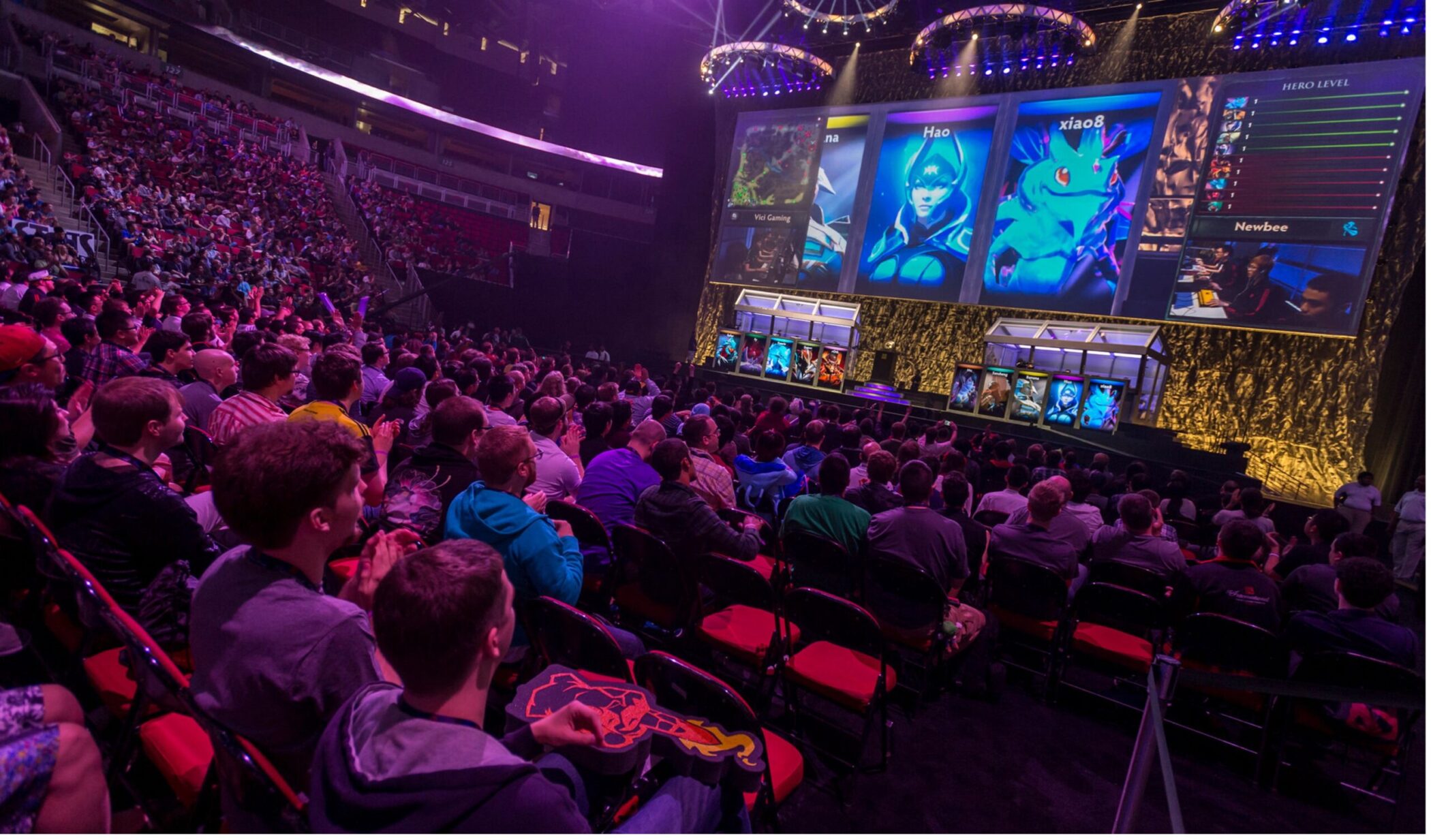
An equally important aspect in eSports is the impression of the audience. Developers should take into account not only the gameplay, but also how the audience will perceive it. That is why broadcast interfaces, observation modes and repeat systems are developed specifically for tournaments.
For example, CS2 has handy tools for casters that let them show team stats, including economics, a map with player locations, or even a detailed look at grenade throws. In Dota 2, viewers also have the opportunity to see detailed statistics for each player during broadcasts, from the number of kills to the gold earned. This adds to the professionalism of the match and creates a complete entertainment product.
It is also useful for viewers and fans of esports to have sources of news and analytics. This is usually done through gaming news and specialised platforms where you can find detailed information about matches and tournaments. The availability of such resources strengthens the esports ecosystem and is useful for both fans and players. In the first case, the game becomes more interesting when you know the statistics, and in the second, it allows players to better prepare for matches.
Long-Term Support and Patch Cycles
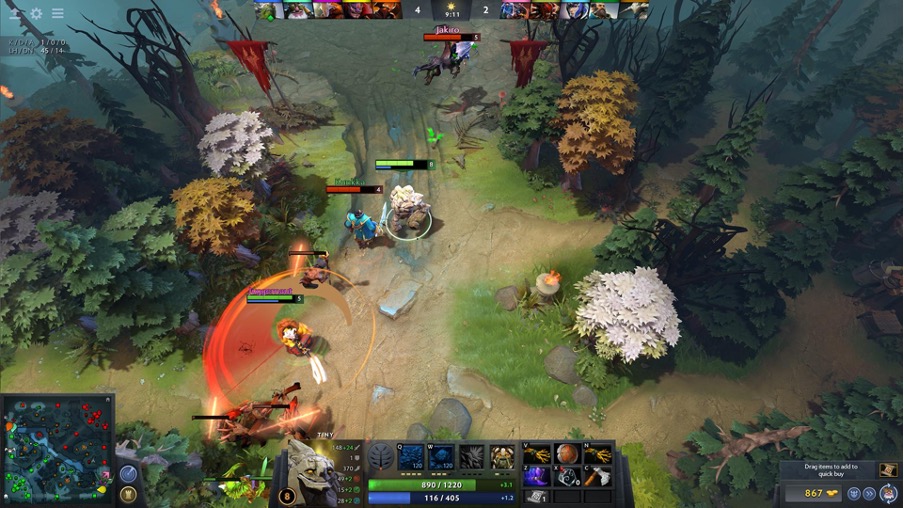
Continuing the theme of differences between casual and esports games, it is worth mentioning the long-term support for esports titles. While regular games often receive no major updates after release, esports disciplines constantly receive game updates. For example, StarCraft II has been supported by regular balance updates for over a decade, while Dota 2 and League of Legends release new events every season.
New patches not only fix bugs, but also create new goals, making each gaming session special. For example, changes to the map landscape or heroes force teams to come up with new strategies to help them win, and these ideas are picked up by the community and used in regular matches. For casual players, such updates may seem unnecessary, but in the professional esports scene, they are an important component that maintains interest and stimulates development.
In addition, long-term support involves active work with the esports community, from organizing tournaments, partnering with leagues to creating a system of rank games that serve as a “springboard” for new talents. This is a fundamental difference from conventional games that do not require such a complex ecosystem.
Accessibility vs. Depth of Mechanics
One of the most notable contrasts between casual gaming and esports is the relationship between accessibility and depth of mechanics. Entertaining games are created so that any user could go and immediately enjoy the process. Simple interface, easy rules and no high entry threshold make them attractive to a mass audience.
In esports disciplines, on the contrary, it will be quite difficult for an ordinary gamer to start playing right away. Usually, these games have a deep system of rules and complex mechanics that require dozens of hours of gameplay to learn. The best example is Dota 2, which has over a hundred heroes and several times more items, so you need to learn all of this to start playing. Game mechanics that require precise technical skills add to the complexity. This complexity is not a disadvantage — it provides depth, which makes the game very interesting at the professional level and allows viewers to watch incredible combinations and unconventional solutions.
Economic Ecosystem and Professional Scene
It is also worth considering how the economic ecosystem works in both cases. Developers of casual projects immediately establish a standard model based on donations and additional content. This usually involves purchasing the game itself and game sets. In esports, the economic system is slightly different and includes tournament funding, sales of in-game items, prize pools, etc. Both systems are profitable and allow developers to earn decent profits.
In casual games, there is simply no need for a large pile of additional content. These names usually do not fart global tournaments and even without a multiplayer component. Nevertheless, esports projects require the support of the entire ecosystem – from players and fans to teams, organizers and media. It is this integrated model that allows eSports to remain on par with traditional sports and attract millions of viewers.
Conclusion
Putting all the facts together, we can say that esports games and casual projects have both similar and individual features. While the former are created for the professional scene, are balanced and provide entertainment, the latter are focused on ease of gameplay and fun. In esports, community support, stable updates, and an economic ecosystem are of great importance, while casual games are based on a simple gaming experience. It is this difference that has made esports a unique phenomenon in modern culture and casual games a good option for relaxation.
